In the vast, living world of Red Dead Redemption 2, players have spent years uncovering its secrets, mastering its mechanics, and occasionally, identifying what they perceive as untapped potential. As the game continues to captivate audiences well into 2026, a persistent point of discussion among the dedicated community revolves around a specific element of the American frontier: the steamboat. While the game is lauded for its deep immersion and variety of activities, from intense gunfights to tranquil hunting trips, some players believe Rockstar Games missed a significant narrative and gameplay opportunity by not integrating these iconic vessels more fully into the story's missions.
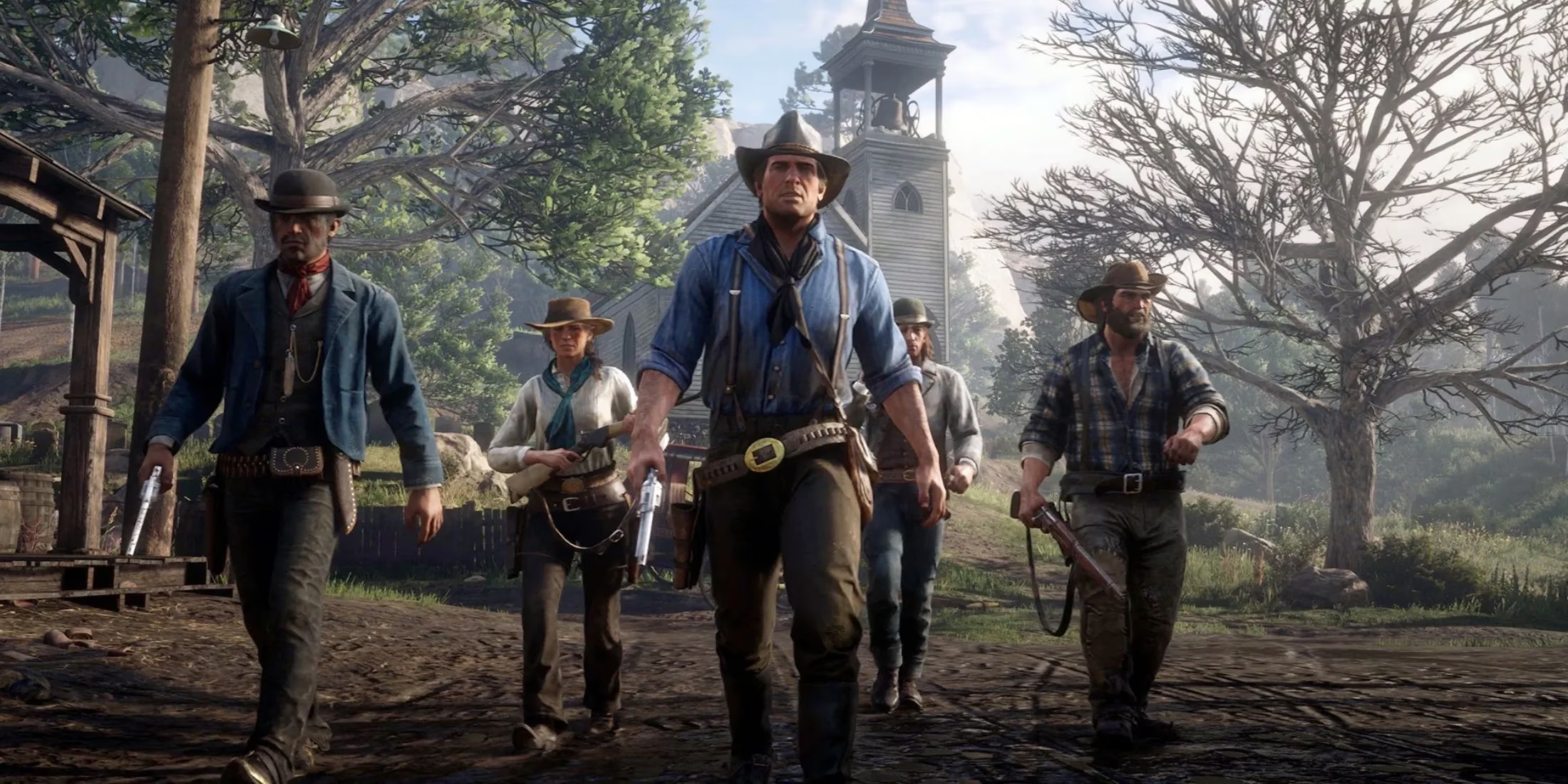
A Player's Observation Sparks Widespread Discussion
The conversation was notably reignited by a Reddit user, BairvilleShine, who shared a screenshot of one of the game's steam-powered boats. This wasn't just an idle observation; it was a critique of a missed chance. The player expressed disappointment that these detailed, functional boats—which can be seen chugging along the rivers and lakes of the game's expansive map—were relegated to background scenery rather than becoming a central gameplay component. "They were hoping to actually control the boats during a mission," a sentiment that resonated with many in the community. Could a thrilling riverboat heist or a desperate escape down the Lannahechee River have been the next great set-piece? The potential for fun new gameplay mechanics and even exciting naval battles seemed to be floating just out of reach.
Thematic Reasons or Simple Oversight?
This led to deeper speculation within the fan base. Why would Rockstar, a developer known for its meticulous detail and ambitious mission design, overlook such an obvious frontier trope? Some players have proposed a compelling thematic explanation. The Van der Linde gang, led by Dutch, is fundamentally at odds with the relentless march of industrialization and modernization sweeping across America. Steamboats, as symbols of technological progress and changing times, represent the very world the gang is fighting against. From this narrative perspective, excluding steamboats from major story missions could be a deliberate choice to reinforce the gang's alienation from the new world. Their story is one of horses and campfires, not steam engines and industrial river traffic.
However, is this thematic purity a sufficient reason to forgo engaging gameplay? Other fans argue it might have been a simple case of resource allocation or an overlooked interactive feature. After all, the game's world is already bursting with content.
The Hidden Mechanic: Can You Actually Pilot a Steamboat?
Here's where the discussion takes an interesting turn. A surprising number of players were unaware of a key fact: Arthur Morgan can, in fact, commandeer and pilot these steamboats. BairvilleShine pointed out the practical barrier: these vessels are rarely docked and are usually seen moving along predefined routes, such as the journey from the industrial town of Annesburg down to the bustling city of Saint Denis and out into Flat Iron Lake. To take the helm, a player must employ frontier ingenuity:
-
Locate a moving steamboat.
-
Dismount the current captain (typically via gunfire).
-
Swim out to the now-driftless vessel and climb aboard.
This cumbersome process likely explains why so many players never experienced this slice of gameplay. It's an emergent, unguided activity rather than a crafted mission experience. The contrast is stark when compared to the seamless integration of horseback riding, train travel, or even canoeing into the story.
A Testament to Enduring Engagement
The ongoing analysis of elements like the steamboats is not merely about criticism; it's a testament to the profound and lasting impact Red Dead Redemption 2 has had on its players. Years after its release, the community remains passionately engaged, constantly:
-
Exploring every corner of the map for new details.
-
Creating mods that add content or change mechanics.
-
Debating narrative choices and design philosophies.
This sustained dialogue highlights how the game's world feels so complete that even its perceived omissions become fertile ground for discussion and imagination. Players aren't just playing a game; they are living in and critically examining a digital historical space.
What Could Have Been: Imagining Steamboat Missions
If steamboats had been given a more prominent role, what might those missions have looked like? The community has brainstormed several exciting possibilities:
| Mission Type | Potential Scenario | Gameplay Hook |
|---|---|---|
| Heist & Robbery | Robbing a high-stakes poker game on a luxury passenger steamer. | Close-quarters combat, stealth, and a dramatic escape. |
| Gang Transport | Moving the gang's camp or loot via river to evade Pinkerton agents. | Navigating treacherous waters under time pressure. |
| Naval Battle | A conflict with rival gangs or law enforcement on the open water. | Strategic use of cover on deck and managing the boat's mechanics. |
| Stranger Mission | Helping a quirky inventor test a new "improved" steam engine. | Humorous dialogue and managing chaotic mechanical failures. |
Ultimately, the steamboat discourse underscores a key strength of Red Dead Redemption 2: its world is rich enough to support endless "what if" scenarios. While players may dream of commanding a paddlewheel through a hail of gunfire, the game's existing tapestry of stories—rooted in the gang's resistance to the very progress those boats symbolize—remains a monumental achievement in interactive storytelling. The conversation itself proves that the game's journey, much like a steamboat on the Lannahechee, continues to move forward long after the credits have rolled.
Comments