The year is 2026, and the gaming community's fervor for Red Dead Redemption 3 has only intensified. Six years have passed since the monumental release of RDR2, a game whose narrative depth, unforgettable characters, and obsessive attention to detail established a benchmark that seems almost impossible to surpass. With Rockstar Games maintaining a legendary silence, the vacuum of official information has been filled with passionate fan theories, all speculating on how this potential trilogy-ender will conclude the saga of the American frontier. Yet, one question looms larger than the rest: can the series' beloved storytelling tradition—the narrative-bridging epilogue—continue into a third chapter, or must it finally be laid to rest to preserve the franchise's legacy?
🎭 The Unbreakable Chain: Epilogues as Narrative DNA
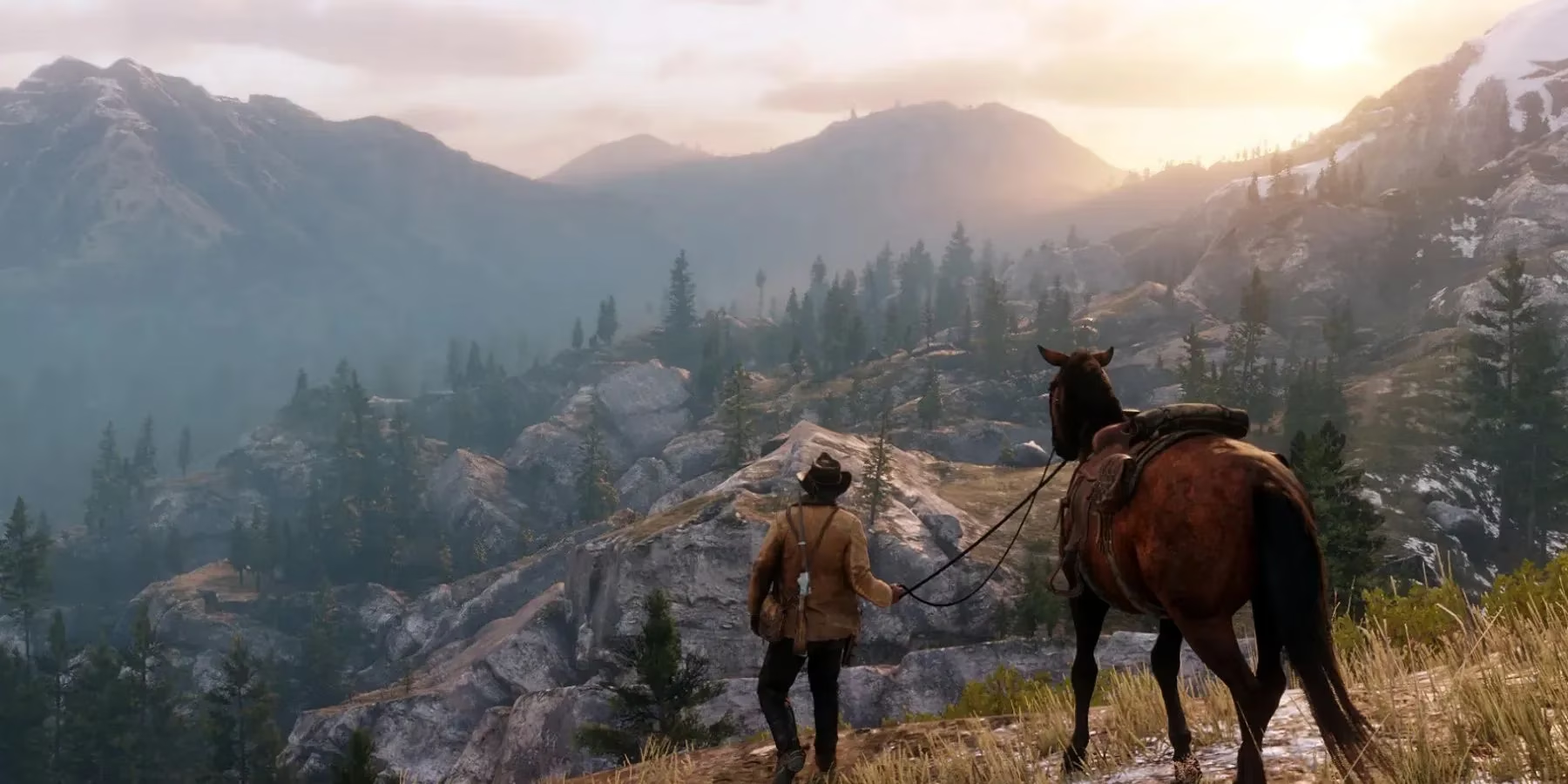
Let's rewind. What has made the Red Dead Redemption experience so uniquely poignant? 🤔 The answer lies in its masterful use of epilogues. These aren't just post-credits bonuses; they are essential narrative bridges that transform the player's relationship with the story. Think about it: after the heart-wrenching conclusion of Arthur Morgan's tale in RDR2, players weren't simply ejected back to the menu. Instead, they were given the profound gift of time—time to process the story's heavy themes by stepping into the worn boots of John Marston.
This epilogue was a masterpiece of emotional pacing. It allowed players to inhabit John's struggle to build a legitimate, peaceful life for his family on the ranch, a quiet counterpoint to the preceding chaos. But here's the genius twist: this peaceful interlude wasn't just a coda; it was the essential prologue to the original 2010 game. John's hard-won domesticity becomes the very reason he is forced back into his violent past. The epilogue didn't just conclude a story; it was the story, linking two generations of outlaws in a tragic, unbreakable cycle.
-
RDR2 Epilogue: Play as John Marston building Beecher's Hope. 🏡
-
Narrative Function: Bridges directly into the core conflict of RDR1.
-
Player Impact: Provides emotional catharsis and deepens investment in the Marston family's fate.
🔮 Jack Marston: The Inevitable Protagonist?
So, where does the story go from here? If Red Dead Redemption 3 is truly the final act, the narrative baton seems destined for one character: Jack Marston. Remember the original game's epilogue? Following the deaths of John and Abigail, a grieving Jack picks up his father's guns, hunting down Edgar Ross and perpetuating the very cycle of revenge his father's story warned against. Jack is the only major character present in both previous games whose story feels profoundly unfinished. His journey from a boy reading books by the fire to a man hardened by vengeance is a narrative thread begging to be pulled.
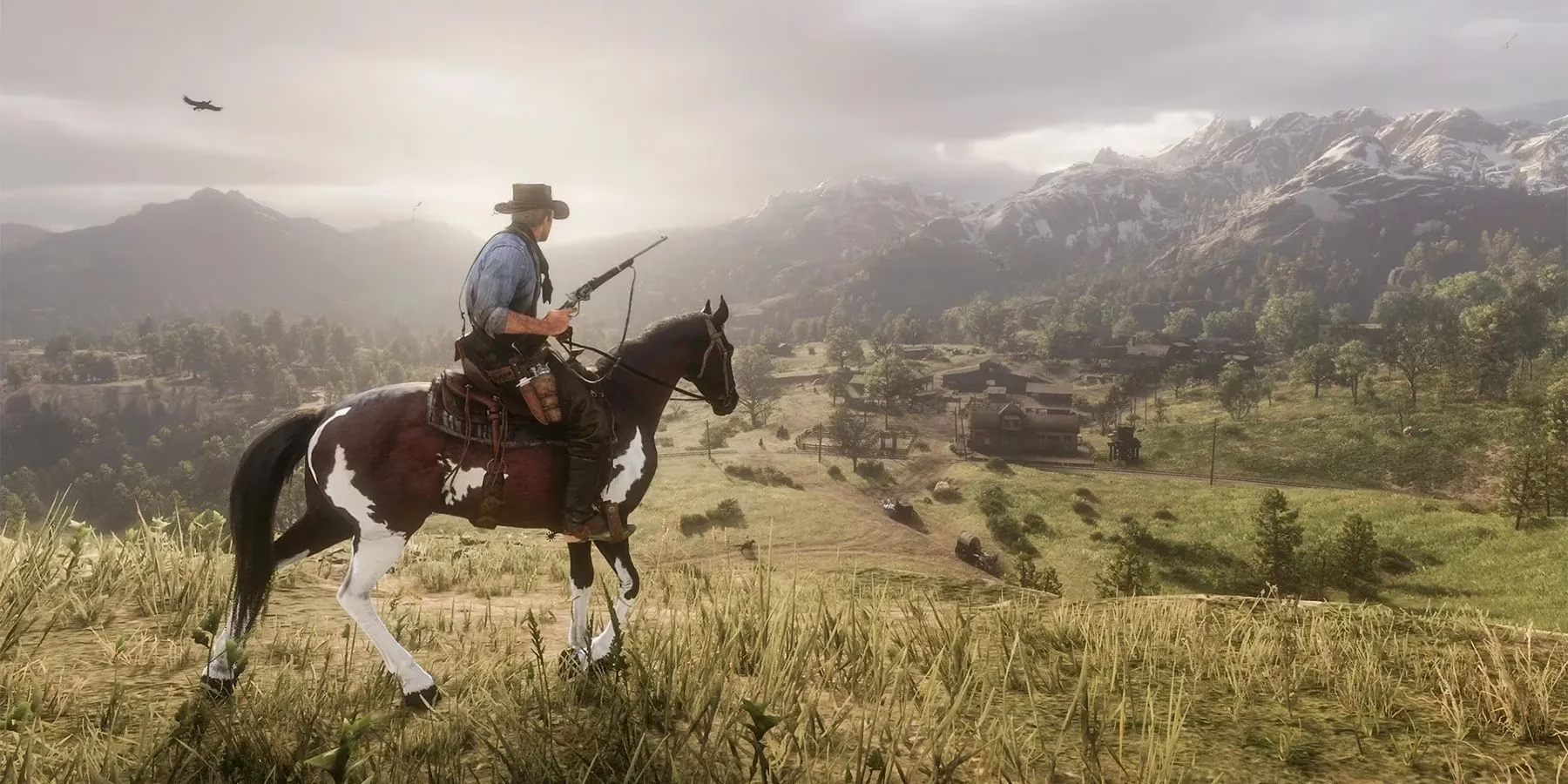
Many theories posit Jack's story moving beyond the classic Western into the early 20th century—through the trenches of World War I and into the rising tide of 1920s organized crime. Imagine the narrative potential: the last son of the dying West, navigating a world of tommy guns, flappers, and Prohibition. It's a fascinating premise that could redefine the franchise's boundaries.
| Potential RDR3 Setting | Narrative Opportunities | Challenge to Franchise Themes |
|---|---|---|
| Jack in WWI (1910s) | Loss of innocence on a global scale; the end of individualism. | Moves far from the pastoral Western landscapes. |
| Jack in the Roaring Twenties | Clash between outlaw legacy and modern organized crime. | Risks losing the "frontier" essence entirely. |
⚖️ The Epilogue Dilemma: To Bridge, or Not to Bridge?
This brings us to the core dilemma. If Jack's story in the 1910s or 1920s is where RDR3 ends, what purpose would a traditional epilogue serve? The series' epilogues have always been promises—narrative insurance that the world continues and connects to a future we know or can imagine. But what if there is no future to connect to?
Consider this: the franchise's historical authenticity makes it unlikely to progress far beyond the 1920s. An epilogue set in, say, 1930, showing an older Jack, would be a narrative dead-end. It wouldn't bridge to a Red Dead Redemption 4; it would simply be an ending. And an ending that mimics the structure of a bridge would feel hollow, breaking the magnificent tradition its predecessors built. Wouldn't a forced epilogue just undermine the finality and emotional weight of Jack's concluding chapter?
✨ A New Frontier for Endings
So, does this mean players should be robbed of a post-game world? Absolutely not! The joy of free-roaming in Rockstar's meticulously crafted landscapes is non-negotiable. The solution isn't to remove post-story play, but to reimagine its presentation. Instead of a formally titled "Epilogue" chapter, the game could transition seamlessly into an Endgame State.
-
The World Persists: After the final mission, the game world remains alive and dynamic for Jack (or whichever protagonist).
-
No Narrative Pretense: There are no major story missions pretending to set up a sequel. The player's actions are now truly their own.
-
Legacy Activities: Perhaps Jack can visit iconic locations from his past, like Beecher's Hope, now abandoned, serving as poignant environmental storytelling. 🍂
This approach honors the player's desire to continue exploring while respecting the narrative's need for a definitive conclusion. It allows Red Dead Redemption 3 to be a true endpoint—a final, powerful statement on the themes of redemption, legacy, and the closing of the American frontier. Sometimes, the most powerful way to end a saga is to have the courage not to hint at another beginning. The cycle ends here.
Comments