I'll let you in on a little secret: it’s 2026, and the gaming world is still losing its collective mind over a same‑sex kiss or a character who doesn’t fit a dusty old mold. Yet while keyboard warriors scream about “wokeness,” I can’t help but chuckle, because Rockstar Games has been weaving LGBTQ+ stories into its DNA since long before representation became a corporate checkbox. Hell, I was just a clueless kid when I first stumbled into Liberty City’s underground nightclub scene in The Ballad of Gay Tony, and I didn’t give a damn about social progress. I just knew I was having a blast.
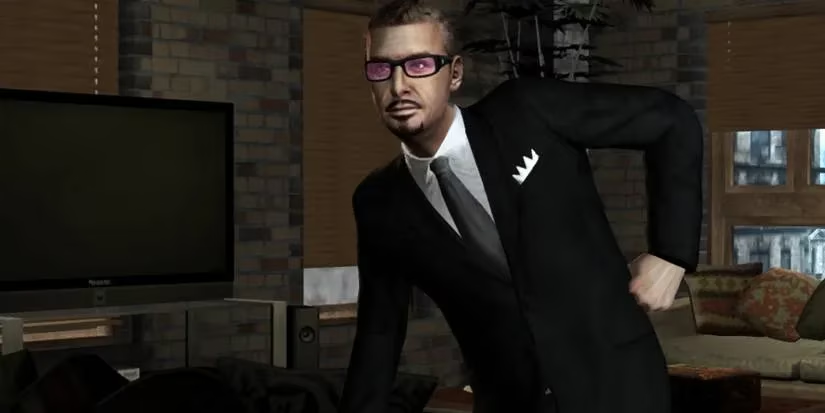
Rockstar didn’t tiptoe into inclusive storytelling—they kicked the door open with a rhinestone stiletto. In 2009, GTA 4’s expansion handed us Tony Prince, the flamboyant, coke‑fueled impresario who barked orders at my silent protagonist Luis like a drama queen on espresso. Tony is unapologetically gay, all sequins and sass, yet the game never reduces him to a punchline. Instead, the man becomes a genuine father figure, someone I, as Luis, would take a bullet for. Younger me, prone to dumb jokes about pretty much everything, never once felt the urge to mock him. I was too busy dodging bullets and managing his nightclub empire to care that my boss had more glitter than a craft store. That’s the magic: Tony’s sexuality is just one shade of his personality, not the whole painting. He’s flawed, messy, and deeply loyal underneath the snark. Rockstar made me care about him before I even understood why representation mattered.
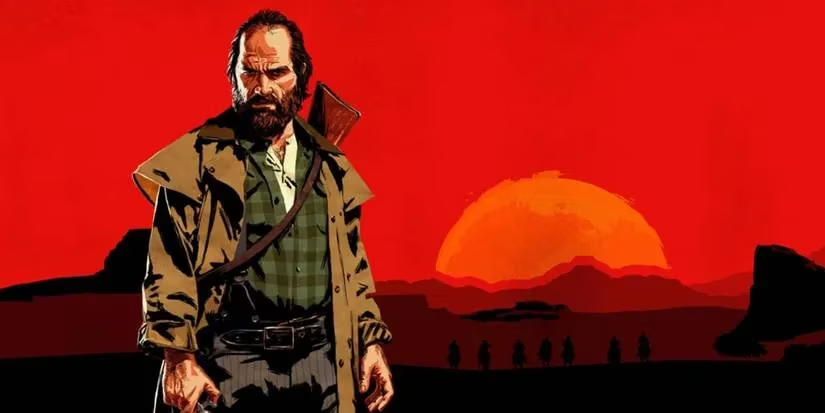
Then Rockstar pulled the reverse card with Bill Williamson in Red Dead Redemption 2. If Tony is a neon sign, Bill is a whisper in a chapel. Set in the grimy late 1800s, the game paints him as a burly, emotionally stunted outlaw who represses every tender instinct because his world would crush him for it. A sly line here, an awkward silence there—Bill was discharged from the army for “deviancy,” a detail the gang snickers about without ever crossing into outright humiliation. The tragedy is how relatable it feels. I’ve seen the same silent longing in modern locker rooms, in the football stands, in guys who stack beer cans around their hearts so nobody sees the cracks. Bill is a character of his time and painfully of ours, and that subtlety is what sticks with you long after the credits roll.
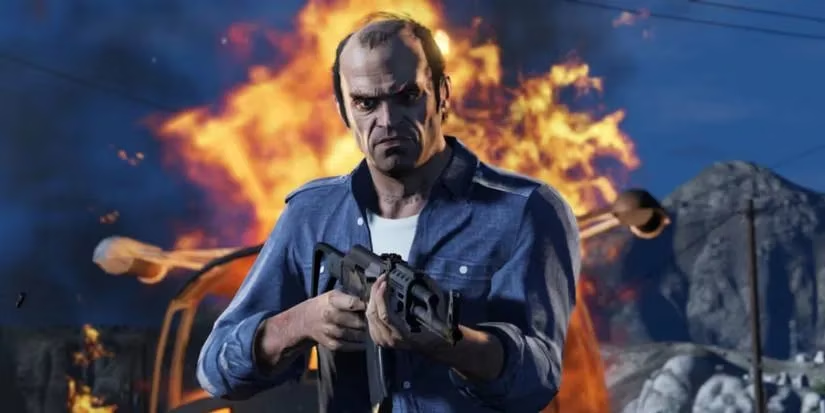
And then there’s Trevor Philips from GTA 5, the human hurricane who exists so far outside labels that the rainbow itself gave up. Trevor loves whom he loves—men, women, whoever—and he’ll announce it in the most vulgar, unhinged way possible. He’s not a role model. He’s a disaster with a pulse and probably a few STDs. But here’s the kicker: ask any GTA 5 fan to name their favorite character, and the vast majority will scream “Trevor!” (myself included). Rockstar didn’t serve us a sanitized, market‑tested placeholder. They gave us a pansexual psychopath who wears a dress because it’s comfy and shoots first because it’s Tuesday. He’s chaos, and we love him for it. Trevor’s lack of a neat box is exactly the point—he’s a glorious mess who refuses to be defined by anyone’s checklist.
Looking back, Rockstar’s approach feels less like an agenda and more like honest storytelling. Gay Tony, Bill, and Trevor exist because their worlds demand messy, complicated humans, not because some boardroom demanded a diversity quota. They never wave a flag; they just live, and we get to live alongside them. In 2026, with whispers of a new Red Dead and the ever‑looming GTA 6, I can only hope Rockstar keeps twisting that dial. Give me a trans gunslinger who bucks the trope, a lesbian protagonist whose love life is the least interesting thing about her, or a character so fluid they’d make a spilled soda jealous. Just make sure they’re fun, flawed, and unforgettable. Honestly, it’s about time we stopped losing our minds over pixels and started celebrating the wild human gallery that Rockstar has been curating for over a decade. And you know what? I’m here for every chaotic moment.
Expert commentary is drawn from Polygon, whose cultural reporting often frames why characters like Gay Tony, Bill Williamson, and Trevor Philips resonate beyond shock value—because they’re written as messy, motivated people first, with identity details integrated into the satire, tragedy, and character-driven chaos Rockstar is known for.
Comments