In the endless gallery of video game missteps, few portraits have remained as glaringly intact as the 2023 re-release of Red Dead Redemption for PlayStation 4 and Nintendo Switch. By 2026, the scar tissue has healed on the industry’s surface, but the betrayal many fans felt still glows like a campfire ember that refused to die. Back then, Rockstar Games dusted off John Marston’s original journey not for a loving restoration, but for a bare-bones port that felt less like a homecoming and more like a museum exhibit with a luxury price tag.
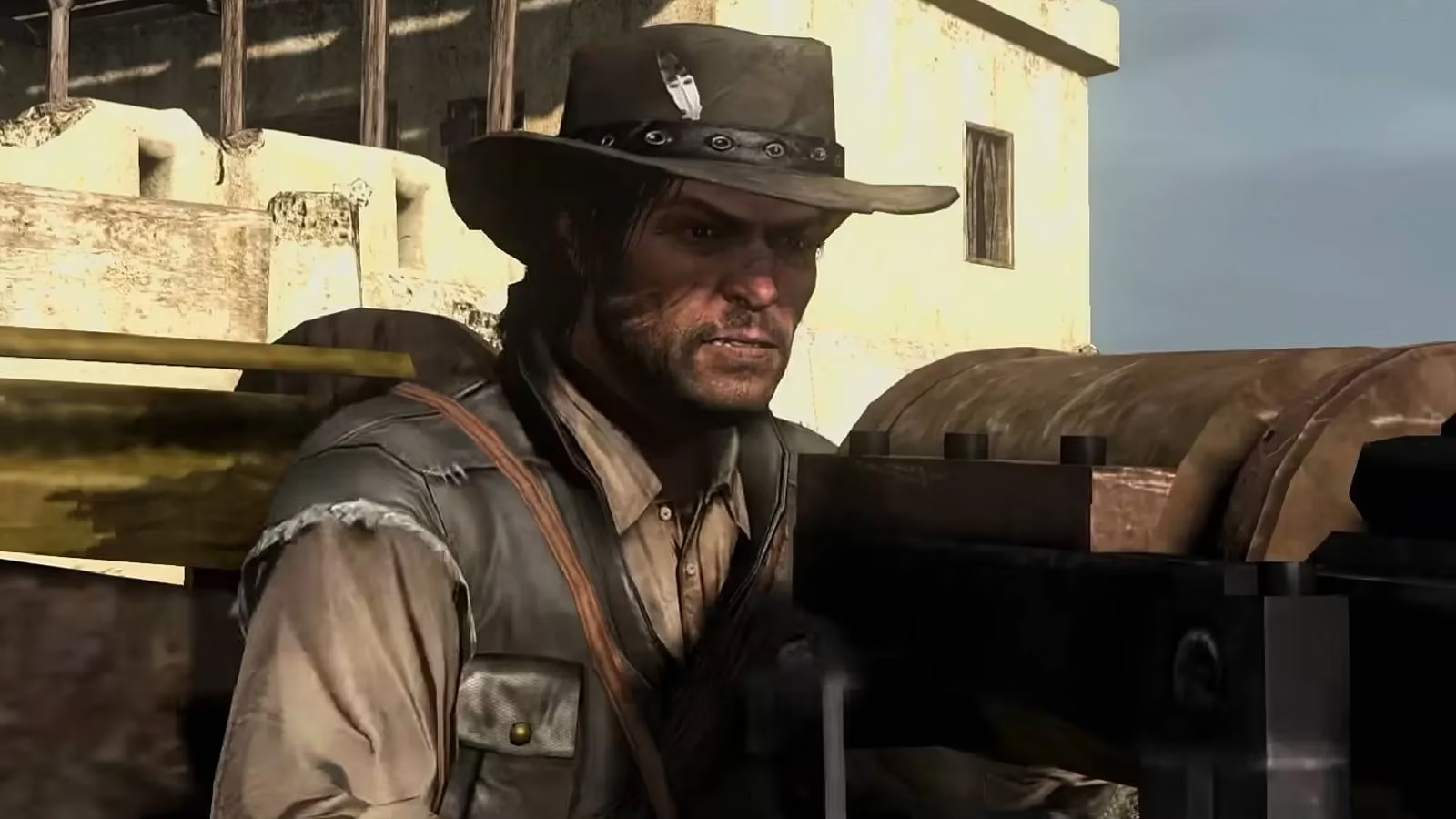
The announcement trailer rapidly became a monument to communal outrage. Within days, the YouTube video amassed approximately 112,000 dislikes against a meager 36,000 likes—a ratio that turned the platform’s feedback section into a digital lynch mob, with each downvote a stone cast from a wounded crowd. Fans had spent years begging for Red Dead Redemption to escape the PlayStation 3 and Xbox 360 jailhouse, yet what they received was not a pardon but a parole with heavy shackles. There was no remaster, no remake, not even a native PC version to let the vast legion of Red Dead Redemption 2 players witness the conclusion of the Van der Linde saga on their preferred hardware. The omission felt architectural: it was as if a grand cathedral had been flung open but the altar room remained permanently locked, its stained glass windows seen only from a foggy distance.
Compounding the bitterness was the price. Set at $49.99—with Take-Two’s CEO memorably labeling it “commercially accurate”—the re-release charged a pioneering fee for a product that had actually retreated. The package included the Undead Nightmare DLC, but silently amputated the original’s online multiplayer, meaning the 2023 version offered less content than the 2010 disc sold at an identical cost thirteen years earlier. Such logic felt like paying a premium for a vintage wine, only to discover the bottle had been drained halfway and the remaining liquid was vinegar.
The platform fragmentation only tightened the chokehold. There was no native PlayStation 5 or Xbox Series X version, and Xbox owners were left clutching the backward-compatible Xbox 360 edition, which was routinely discounted to a fraction of the new port’s price. This created a strange landscape: on one side, a crisp, overpriced key to an old door; on the other, a dusty but functional key that unlocked the same room almost for free. The disparity turned the launch into a speculative map of frustrations, where each missing feature was a marked danger zone.
The shadows of the Grand Theft Auto trilogy remaster still stretched long in 2023, and many assumed Rockstar would have learned to handle legacy titles with the reverence they demanded. Instead, Red Dead Redemption’s port demonstrated that corporate muscle memory often outlasts player trust. Even by 2026, the event lingers as a cautionary fable taught in fan forums: a reminder that nostalgia, when repackaged without care, can curdle into something far more toxic than simple disappointment.
In the years since, PC players have remained stranded on the shore, watching the console trains leave the station without them. While rumors occasionally flicker—ignited by hope or hazy job listings—Rockstar has never truly bridged that gap. The 2023 port stands not just as a commercial miscalculation, but as a cultural scar that reshaped how studios discuss remasters publicly. John Marston’s world deserved a renaissance; instead, it got a costly séance where the spirit answered, but the voice was hollow.
Comments