In the wild world of video games, it's a rare sight to see a franchise that doesn't just maintain its quality but actually levels up with each new installment. You know how it goes—some series start strong then fizzle out, others become cash cows, but the real MVPs are those that keep raising the bar, delivering that next-level experience every single time. These are the series that make you go 'OMG, they actually did it again!' and leave you wondering how they keep topping themselves. Let's dive into eight legendary franchises that mastered the art of getting better with every game.
8. Uncharted: From Fun Action To Gaming Legend
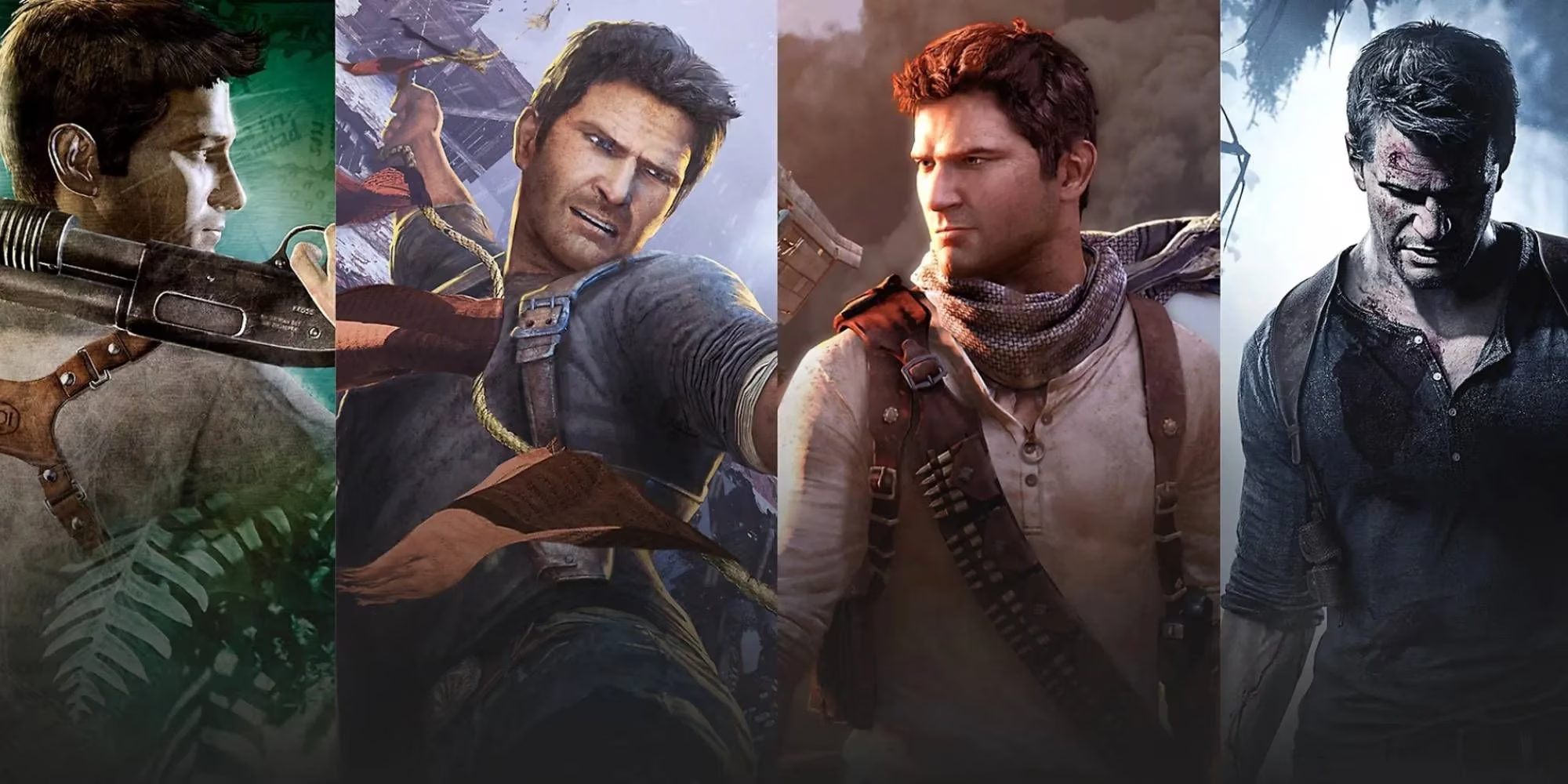
Starting off with a bang, Uncharted is basically the Hollywood blockbuster of gaming—pure cinematic awesomeness! 🎬 The first game was already lit with its scripted events and heart-pounding moments, but man, did they cook with each sequel. Each new adventure for Nathan Drake brought:
-
Better visuals that made your jaw drop
-
Tighter gameplay that felt smoother than butter
-
More epic storylines that hit you right in the feels
And let's talk about that finale—Uncharted 4: A Thief's End was the grand finale we didn't know we needed. Stunning graphics, the most emotional story yet, and Rafe Adler? Best villain in the series, period. The progression was so clean, it's like watching a masterclass in franchise building.
7. Tomb Raider: The OG That Keeps Getting Better
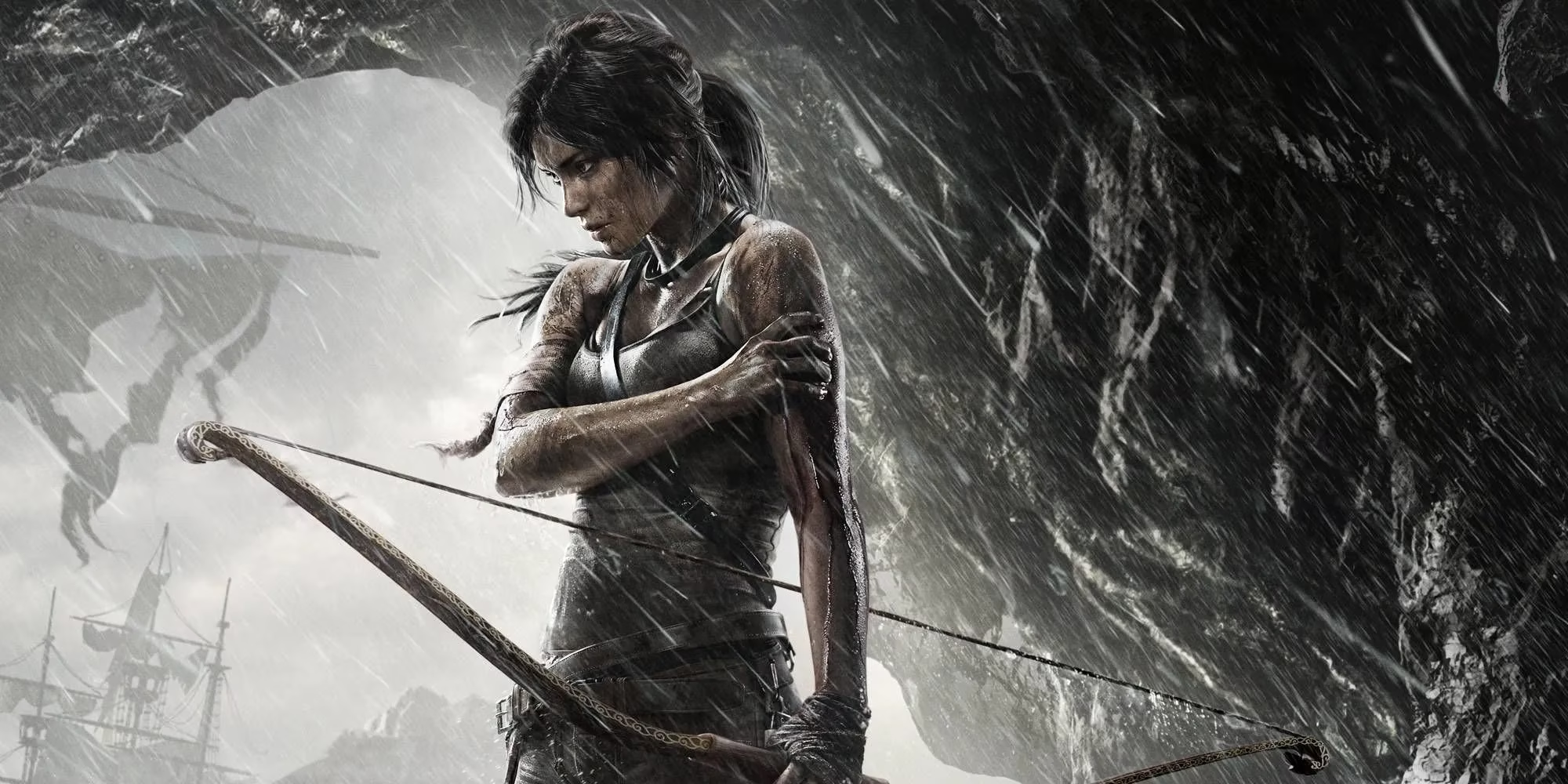
When a series as ancient as Tomb Raider keeps improving? That's next-level dedication right there! The original game blew minds with its level design and atmosphere back in the day. But here's the plot twist: they kept dropping bangers with every sequel! Even when things looked kinda sus and the franchise seemed tired, Tomb Raider: Legend said 'Hold my dual pistols' and rebooted everything with:
-
Modernized graphics that made Lara look fire
-
A fresh character design that gave her more depth
-
A story digging into her past that added those emotional layers
Since that reboot? It's been upward trajectory only, keeping Lara relevant for decades. Talk about aging like fine wine! 🍷
6. Grand Theft Auto: Constantly Reinventing The Wheel
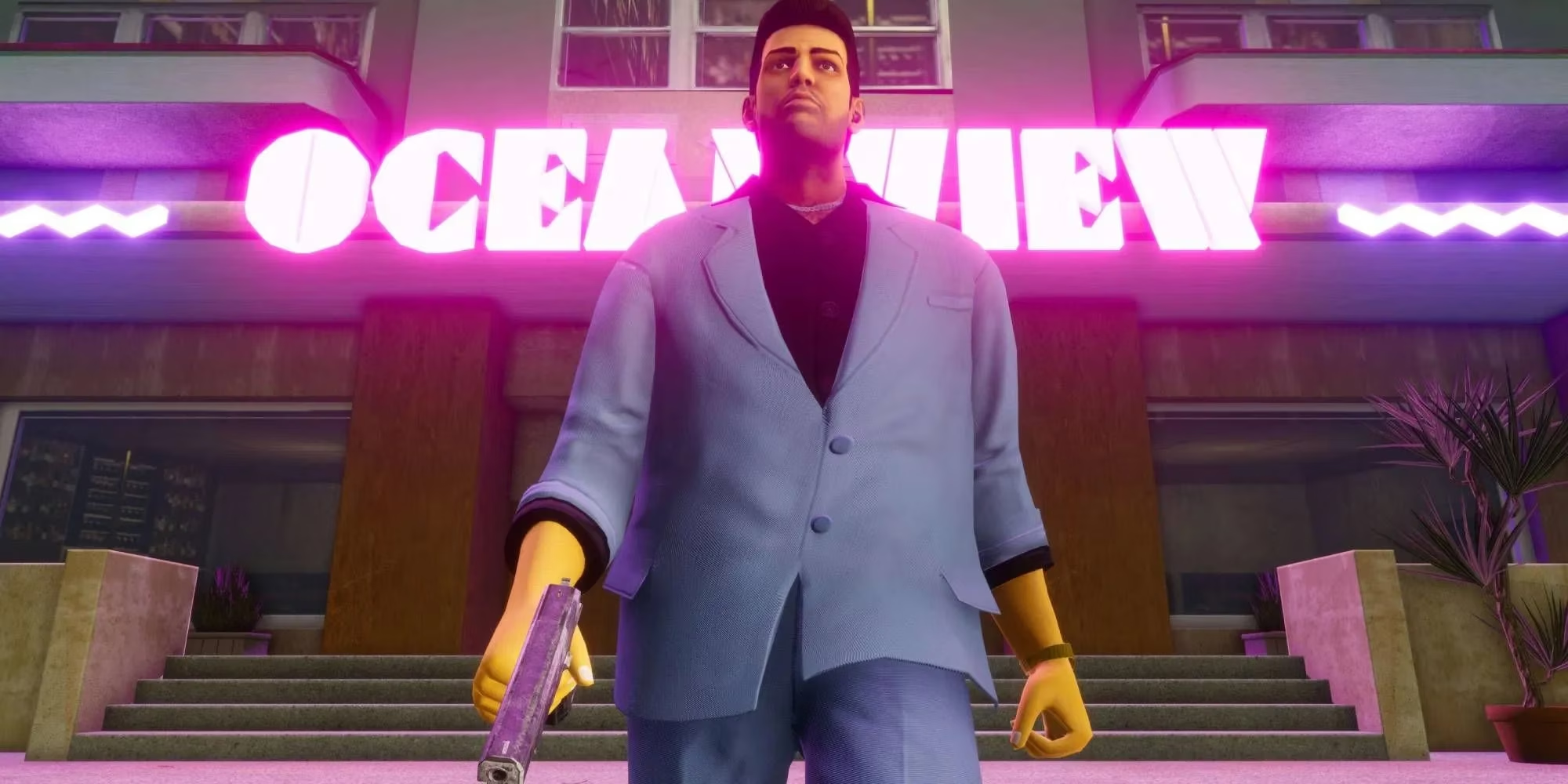
If there's one series that defines 'innovation,' it's GTA. The first two games were cool top-down shooters, but GTA 3? That was the game-changer that created the open-world sandbox genre as we know it! Each sequel since has been about bigger, better, bolder:
| Game | Major Innovation |
|---|---|
| Vice City | Flying planes, 80s vibes for days |
| San Andreas | RPG elements, gang territories |
| GTA IV | More realistic physics, darker story |
| GTA V | Three protagonist system, massive world |
From Vice City's neon-soaked streets to GTA V's character-switching mechanic, this series never settles. It's the definition of 'if it ain't broke, make it even more amazing.'
5. The Witcher: From Rough Start to Masterpiece
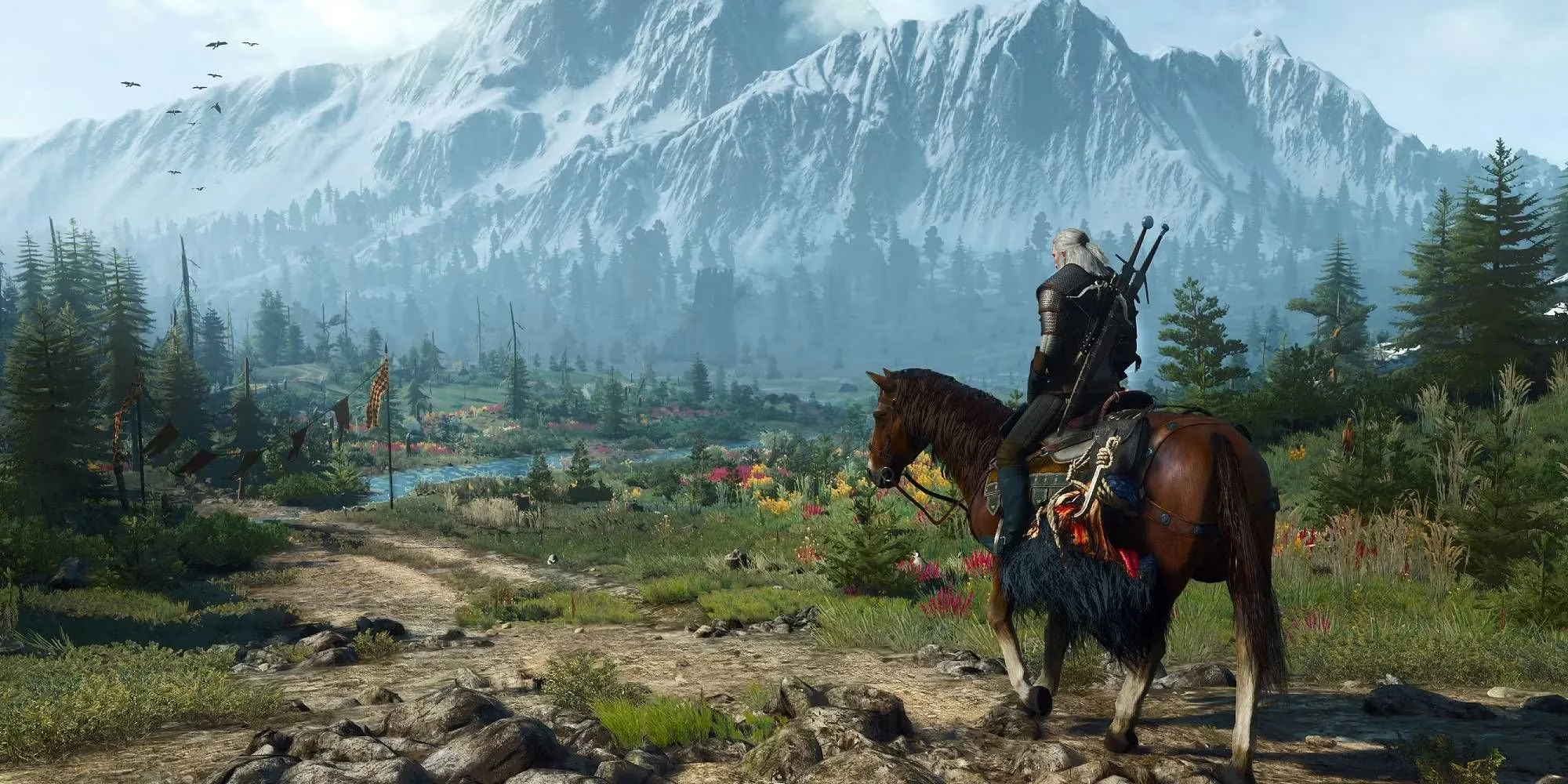
Okay, let's keep it 100—the first two Witcher games were... rough. Glitchy, dated graphics, but still enjoyable. Then The Witcher 3 dropped and said 'Y'all weren't ready for this!' 🌟 This game was such a quantum leap that it basically made everyone forget the earlier entries existed. What made it chef's kiss?
-
Expansive open world that felt alive
-
Graphics that still hold up in 2026
-
Modernized gameplay that fixed all the jank
It wasn't just a better game—it launched CD PROJEKT RED into the stratosphere. The progression from 1 to 3 is like watching someone go from drawing stick figures to painting the Sistine Chapel.
4. The Legend of Zelda: The Gold Standard of Progression
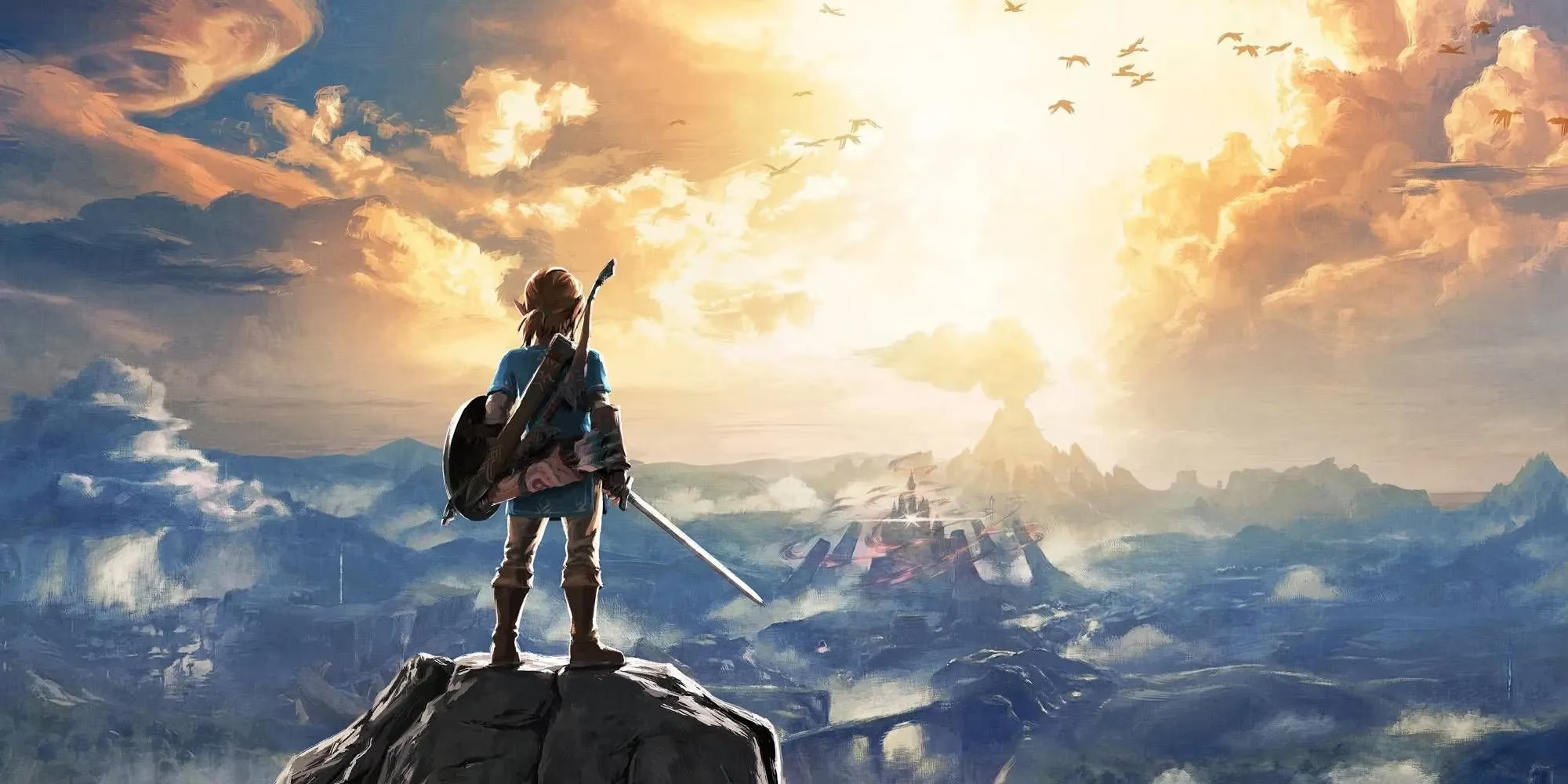
When your nineteenth installment is considered one of the greatest games ever made, you're doing something right. The Legend of Zelda went from simple 2D pixel adventures to Breath of the Wild—a game that redefined open-world design. The evolution is mind-blowing:
-
From linear dungeons to 'go anywhere, do anything' freedom
-
From basic items to physics-based systems that encourage creativity
-
From simple stories to rich lore that spans generations
Each game doesn't just add new mechanics—it reinvents what a Zelda game can be. The bar keeps getting higher, and somehow, they keep clearing it with room to spare. That's big brain energy right there. 🧠
3. God of War: From Revenge Story to Emotional Epic
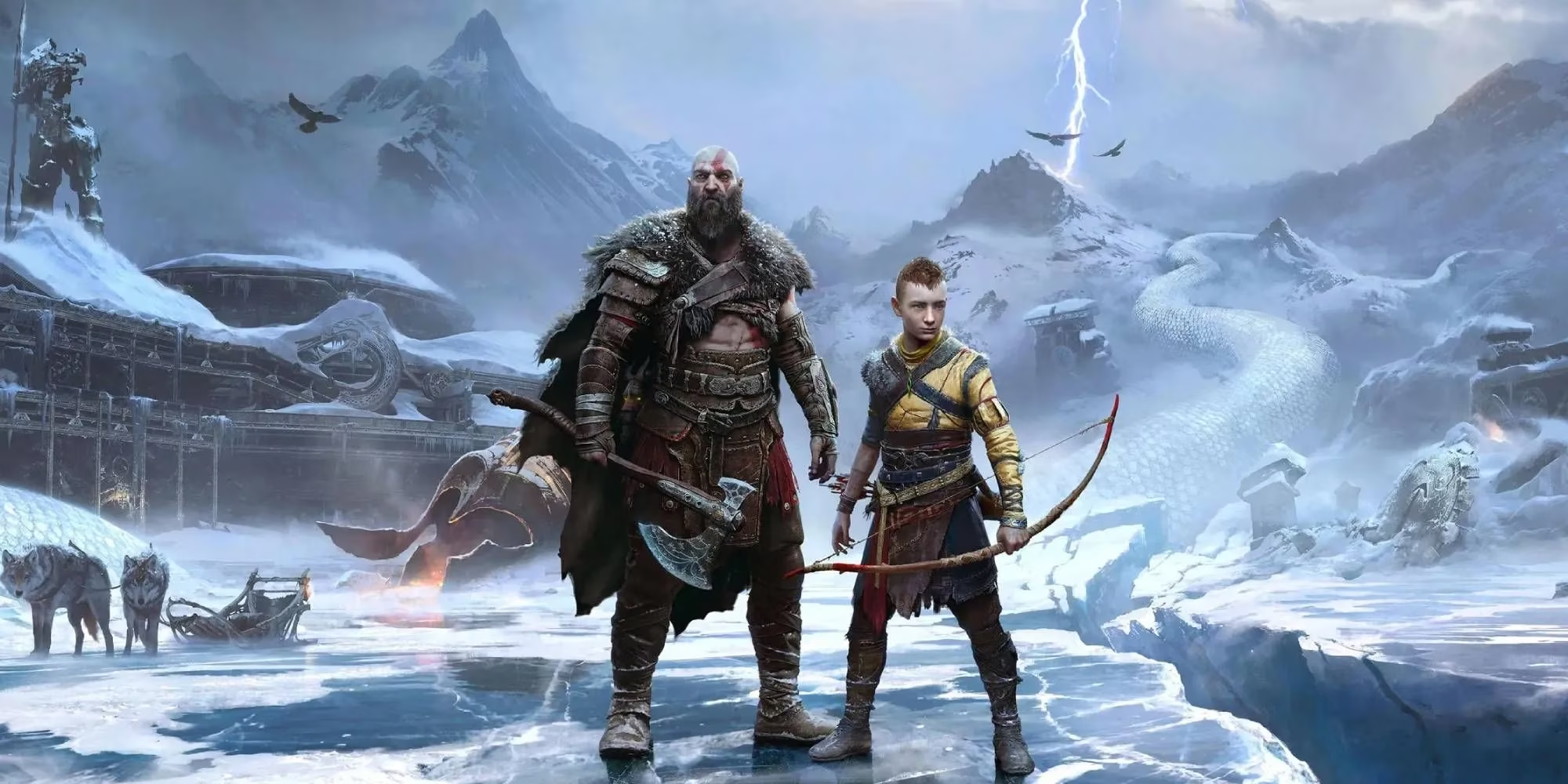
Bruh, who would've thought Kratos' story had more to give after he basically wiped out the entire Greek pantheon? The original trilogy was peak 'angry man yells at gods,' but then the 2018 reboot hit with that father-son feels and changed everything. The progression here is art:
Original Trilogy: Pure spectacle, over-the-top violence, simple revenge plot
2018 Reboot: Emotional depth, single-shot camera, Norse mythology
Ragnarok: Perfect payoff, character growth, combat perfection
Introducing Atreus and Freya wasn't just adding new characters—it added heart. The combat evolved from button-mashing to tactical depth, and the storytelling went from 'I will kill Zeus' to exploring grief, parenthood, and redemption. That's what we call character development! ✨
2. Red Dead: The Underrated Evolution
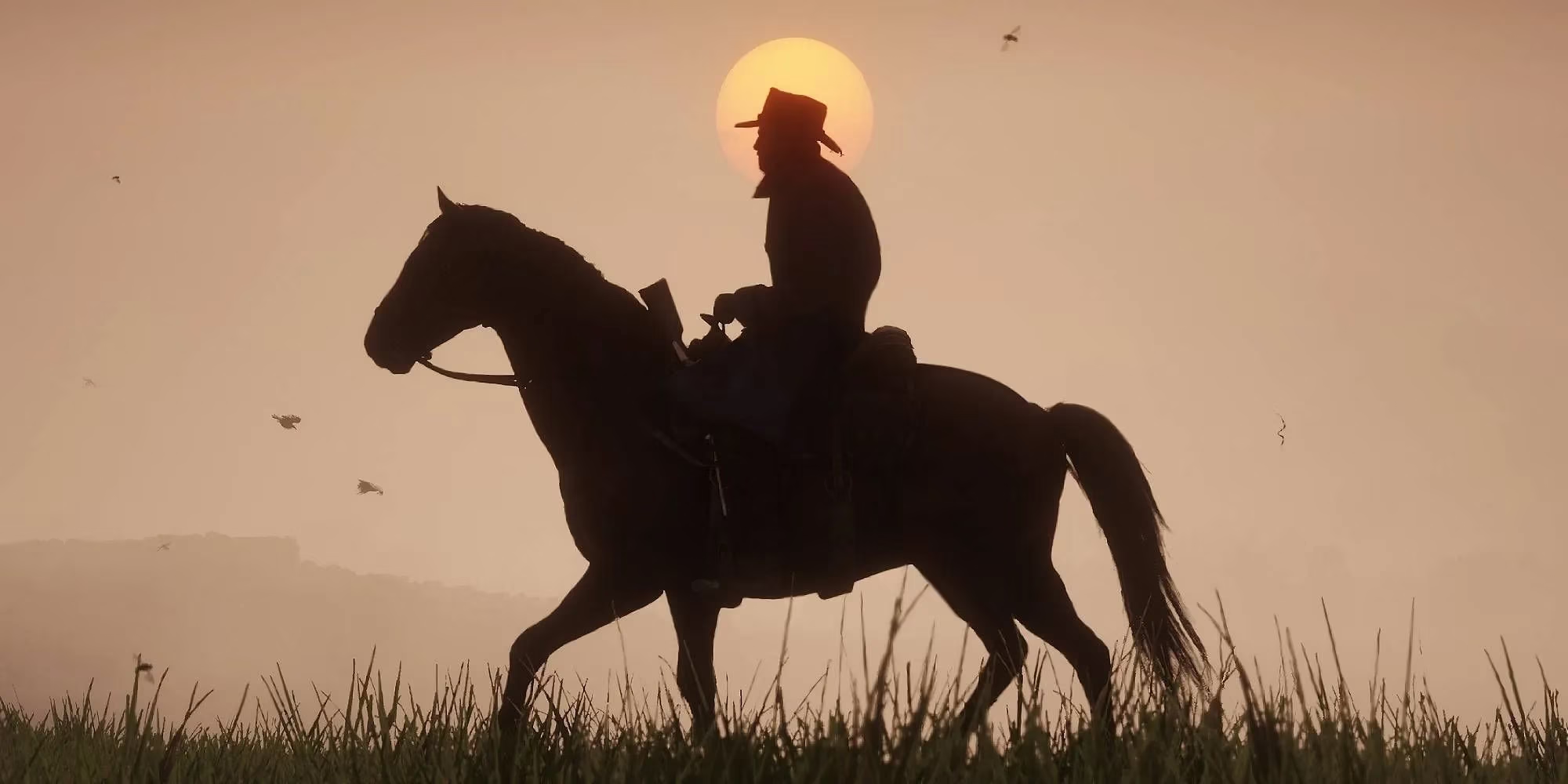
Fun fact: Most people forget Red Dead Revolver even exists! That first game was... fine. But then Red Dead Redemption came along and was like 'Hold my horse'—suddenly we had one of the greatest Western stories ever told. And just when we thought it couldn't get better? Red Dead Redemption 2 said 'Watch this' and delivered:
-
A prequel story that made the original even more tragic
-
The most realistic open world ever created
-
Attention to detail that borders on obsessive (seriously, horse balls shrink in cold weather?!) 🐴
The jump from Revolver to Redemption was massive, but from Redemption to RDR2? That was generational. Arthur Morgan's story hits different, and the world feels so alive you half-expect to smell the campfire smoke.
1. Max Payne: The Trilogy That Defined a Genre
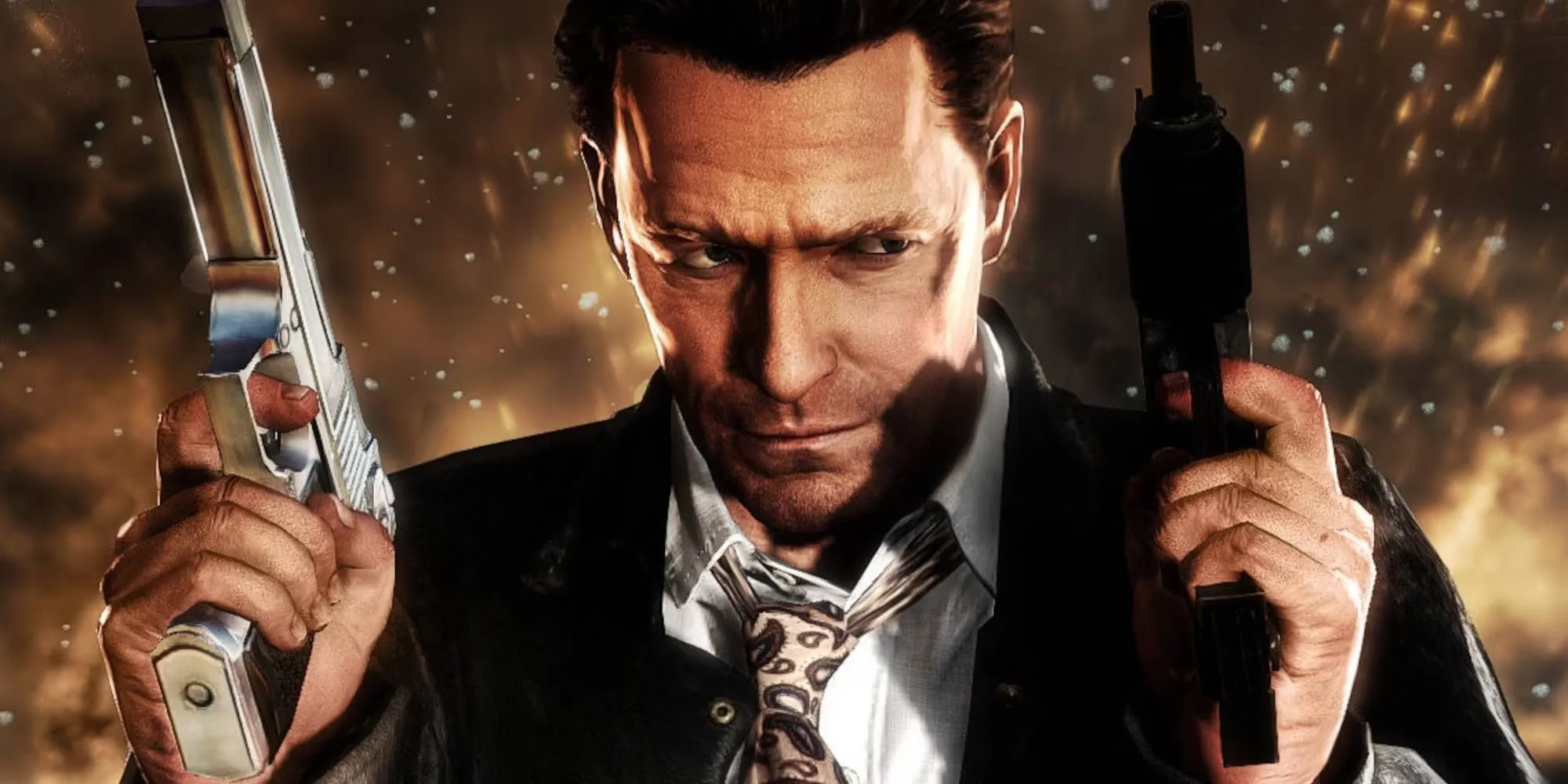
Topping our list is the series that literally invented bullet time—Max Payne. The first game was revolutionary with its noir storytelling and slow-mo shooting, but let's be real: it hasn't aged perfectly. The gameplay could feel clunky AF. But here's the magic: each sequel fixed the problems of the last while adding something new.
Max Payne 2: Improved physics, better story, more emotional depth
Max Payne 3: Modern graphics, tight gameplay, perfect conclusion
That third game? Chef's kiss perfection. It took everything that worked, polished it to a mirror shine, and gave Max the sendoff he deserved. The progression from gritty noir to cinematic action thriller was seamless, proving that even groundbreaking series can keep innovating.
The Bottom Line
What do all these series have in common? They never settled for 'good enough.' Each installment wasn't just a sequel—it was an upgrade. Whether it's through technological leaps, storytelling evolution, or gameplay innovations, these franchises show what happens when developers actually listen to feedback and push their craft forward. In an industry where so many series peak early or fade away, these eight prove that with passion and vision, the next game can always be the best one yet. Now if you'll excuse us, we're off to replay all of these... for research purposes, of course! 🎮✨
Data referenced from HowLongToBeat helps contextualize why “getting better with every release” often correlates with smarter pacing: as franchises like Uncharted, God of War, and Red Dead evolved, they tended to balance longer, more cinematic campaigns with stronger mission structure and optional side content, letting players feel that each sequel isn’t just bigger—it’s more deliberately tuned for momentum and replayability.
Comments