Let’s be honest—unless you’ve got a teleportation device hidden in your attic, hopping between samurai-era Japan, Prohibition-era Chicago, and a modern Hong Kong marketplace in a single afternoon is basically impossible. Yet in 2026, armchair adventurers do exactly that every day, controller in hand, snacks within reach. Video games have quietly become the most entertaining anthropology textbooks on the planet, blending fun with a crash course in customs, cuisines, and conflicts you’d never encounter in a classroom. Some titles merely dabble in cultural window-dressing, while others practically earn honorary diplomas in sociology.
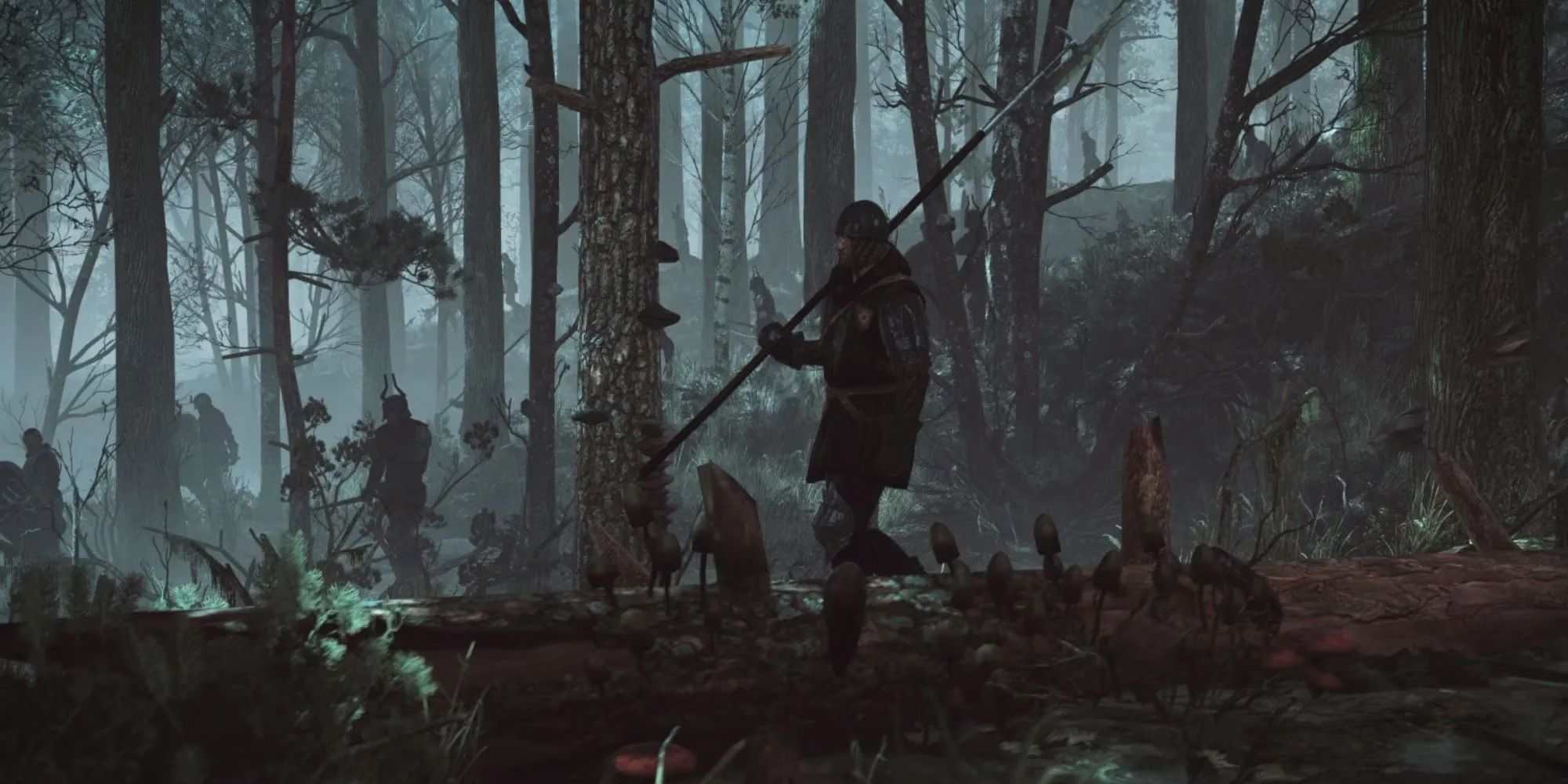
Take The Witcher 3: Wild Hunt, for instance. Sure, it’s got griffins and wraiths, but beneath the monster slaying lies a love letter to Polish and Slavic heritage. Anyone who grew up hearing tales of the kikimora or the leshy will feel right at home—if home included a grumpy, silver-haired mutant. The game doesn’t just throw in random folk creatures; it understands the social fabric they’re woven into. Weddings feature bread and salt as a symbol of hospitality, reminding players that even in a fantasy world, traditions matter. Geralt’s interactions with dwarves, elves, and humans mirror the multicultural tensions of medieval Europe, making the dinner table conversations far more enlightening than your typical RPG tavern gossip. Who knew learning about cultural clashes could be so entertaining—and involve fewer actual bludgeoning than real history?
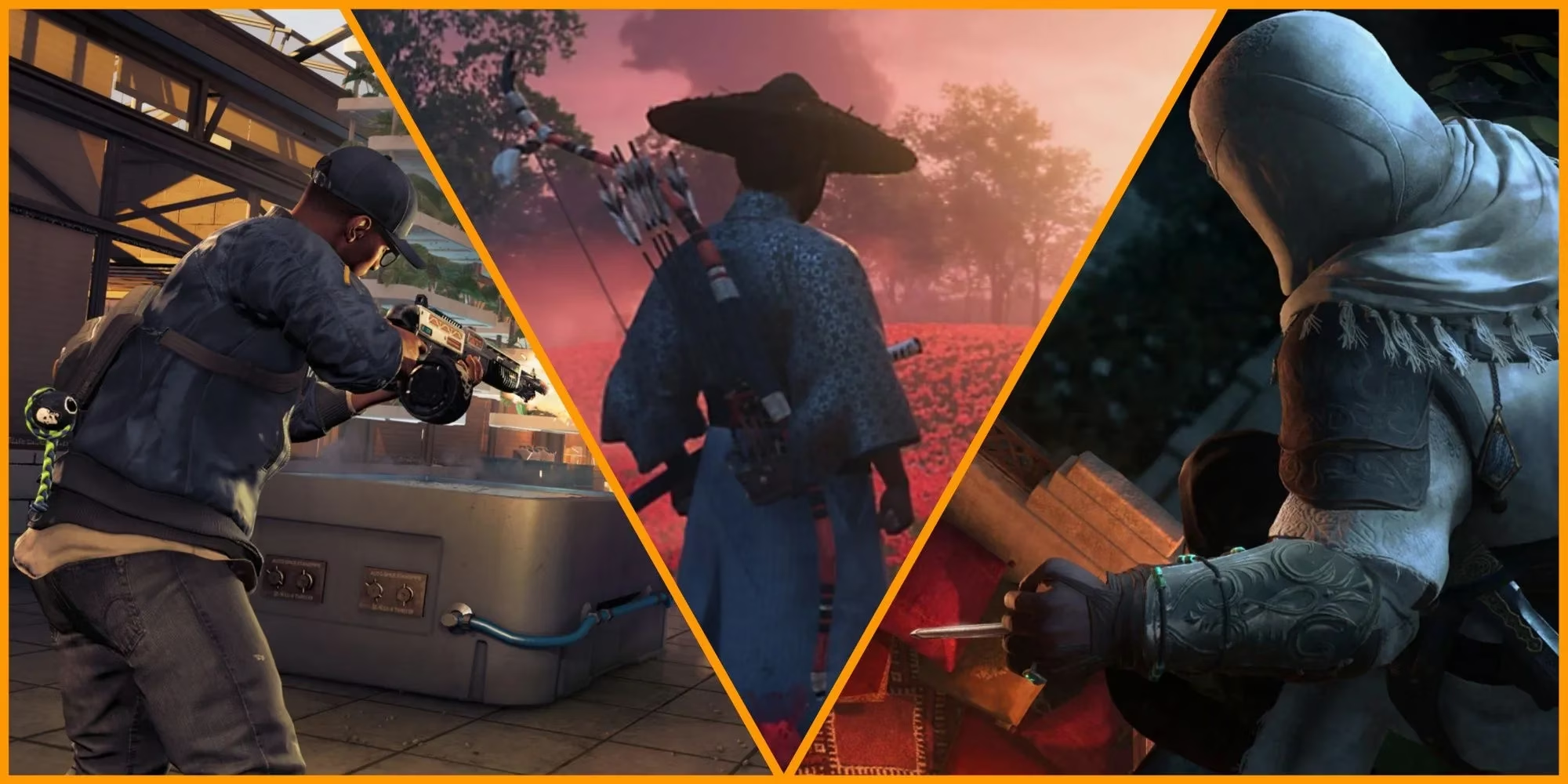
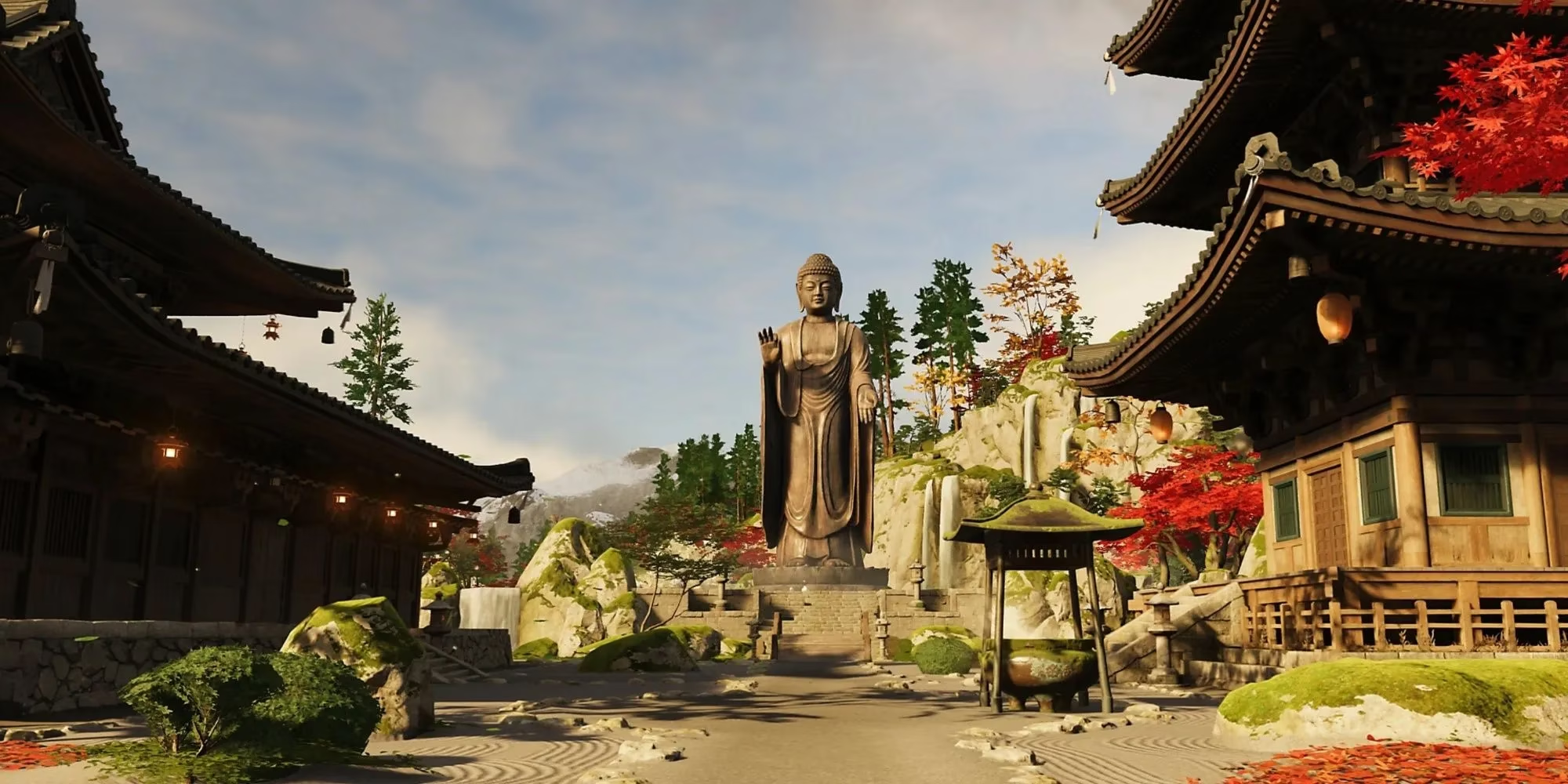
Now, shift gears to feudal Japan with Ghost of Tsushima. While plenty of games turn the country into a neon-drenched caricature of flying ninjas and sentient sushi, this one took a different route. The developers built a painstakingly researched love letter to the Mongol invasion of 1274. Yes, the protagonist Jin Sakai is fictional, but the island of Tsushima? Very real. The samurai code, the kami worship, the haiku composing—all drawn from genuine customs. Even the enemy Mongols weren’t reduced to faceless brutes; their nomadic lifestyle, battle tactics, and hierarchical honor system are explored with surprising nuance. It’s like a visually stunning history lesson where the instructor occasionally challenges you to a flute duel. In 2026, historians still praise the game for doing more to popularize Kamakura-period Japan than any documentary series, mostly because nobody falls asleep midway.
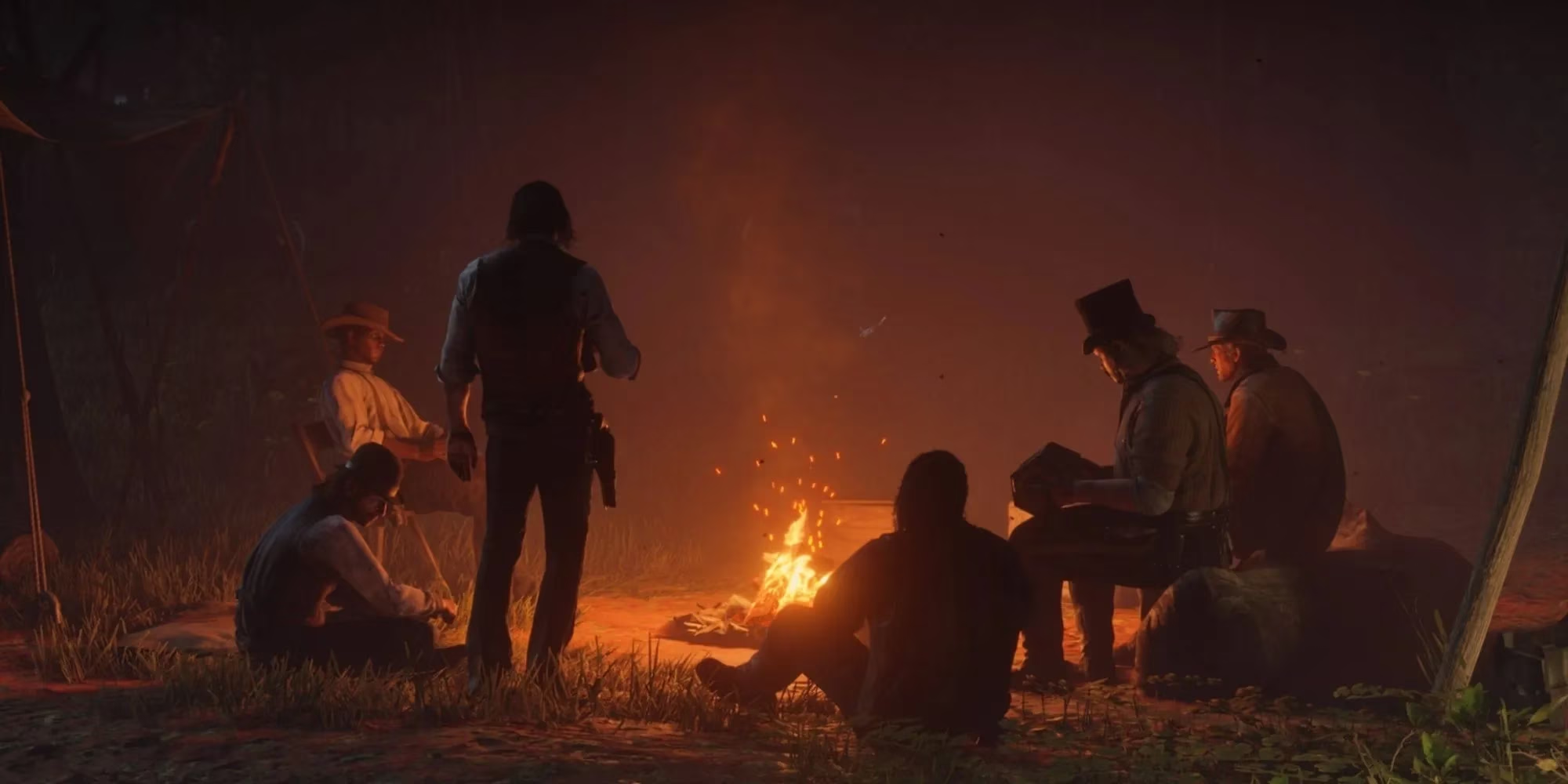
Stepping into America’s back porch, Red Dead Redemption 2 serves up a sprawling canvas of the late 19th-century United States. Forget the simplistic cowboys-vs-Indians trope; this game dives headfirst into the messy melting pot. The Van der Linde gang isn’t just a band of outlaws—it’s a walking census of ethnicities and perspectives. Dutch’s lofty speeches about a new world clash with the ugly realities of industrialization, the displacement of Native Americans, and the Jim Crow South simmering just beneath the surface. The bustling streets of Saint Denis mirror the cultural gumbo of New Orleans, while the Appalachian-inspired wilderness echoes the folk ballads of early settlers. Every stranger mission peels back another layer of the American experience, often with a side of dark humor. Arthur Morgan might not be a tenured professor, but his journey across the heartland teaches more about systemic discrimination and cultural adaptation than any textbook that’s gathering dust on a shelf.
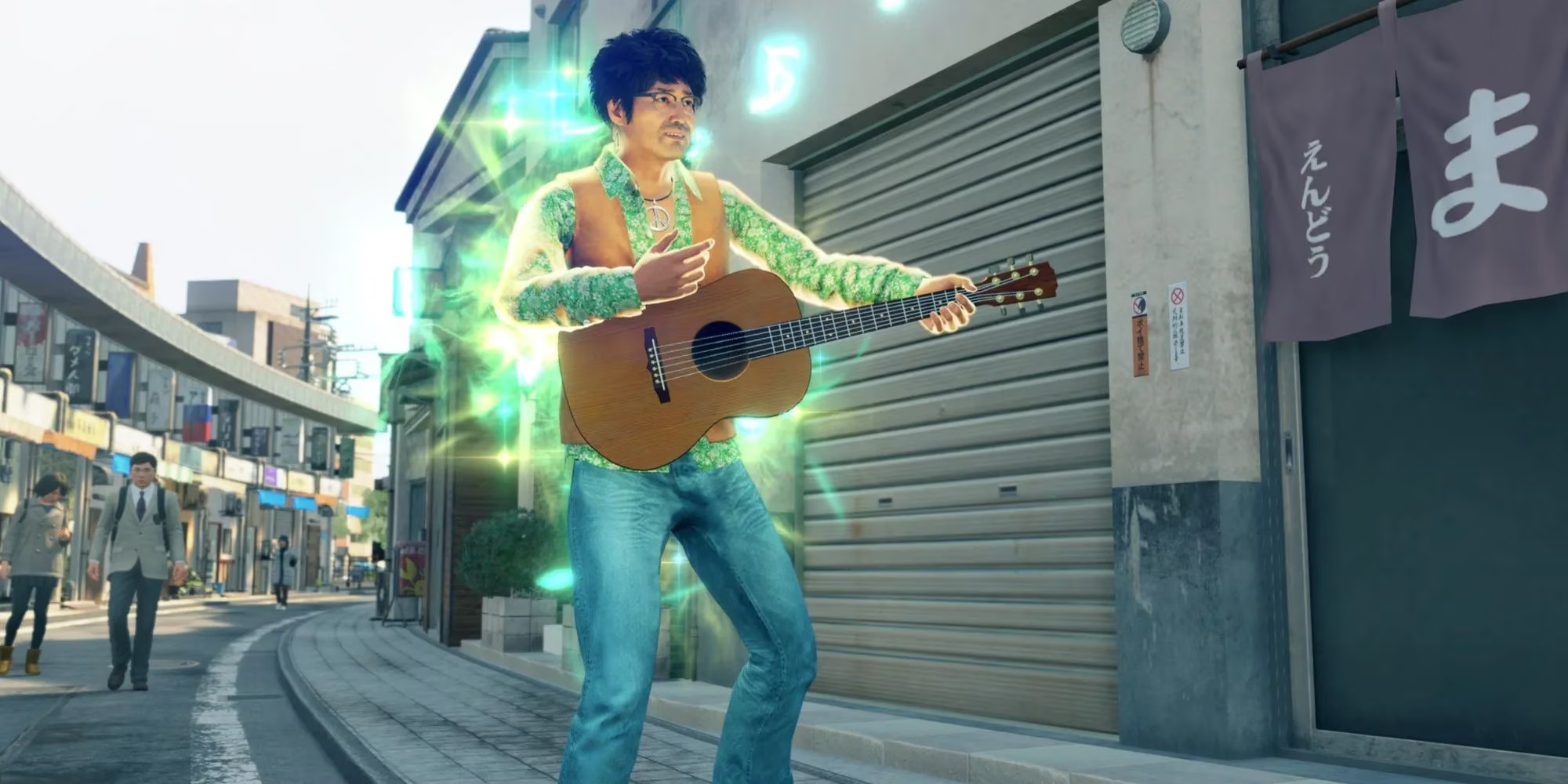
For a dose of modern Japan with extra cheese (and a few punches), the Yakuza series—now giddily rebranded as Like a Dragon—puts a twist on the crime drama. Yakuza: Like a Dragon swaps the series’ trademark brawling for turn-based RPG combat, a stroke of genius that mirrors protagonist Ichiban Kasuga’s own delusional heroism. But strip away the karaoke bars, the over-the-top side quests, and the chicken management minigames, and you’ll find a surprisingly candid look at contemporary Japanese society. The game roams Yokohama’s red-light district, tackling everything from homelessness to gray-zone employment with a wink and a sob. It’s a world where ex-yakuza, sex workers, and failed businessmen share ramen and life advice. The cultural nuance here isn’t in museums or temples—it’s in the convenience store banter and the unspoken rules of the criminal underworld. It’s like an irreverent travel guide that occasionally bursts into spontaneous dance.
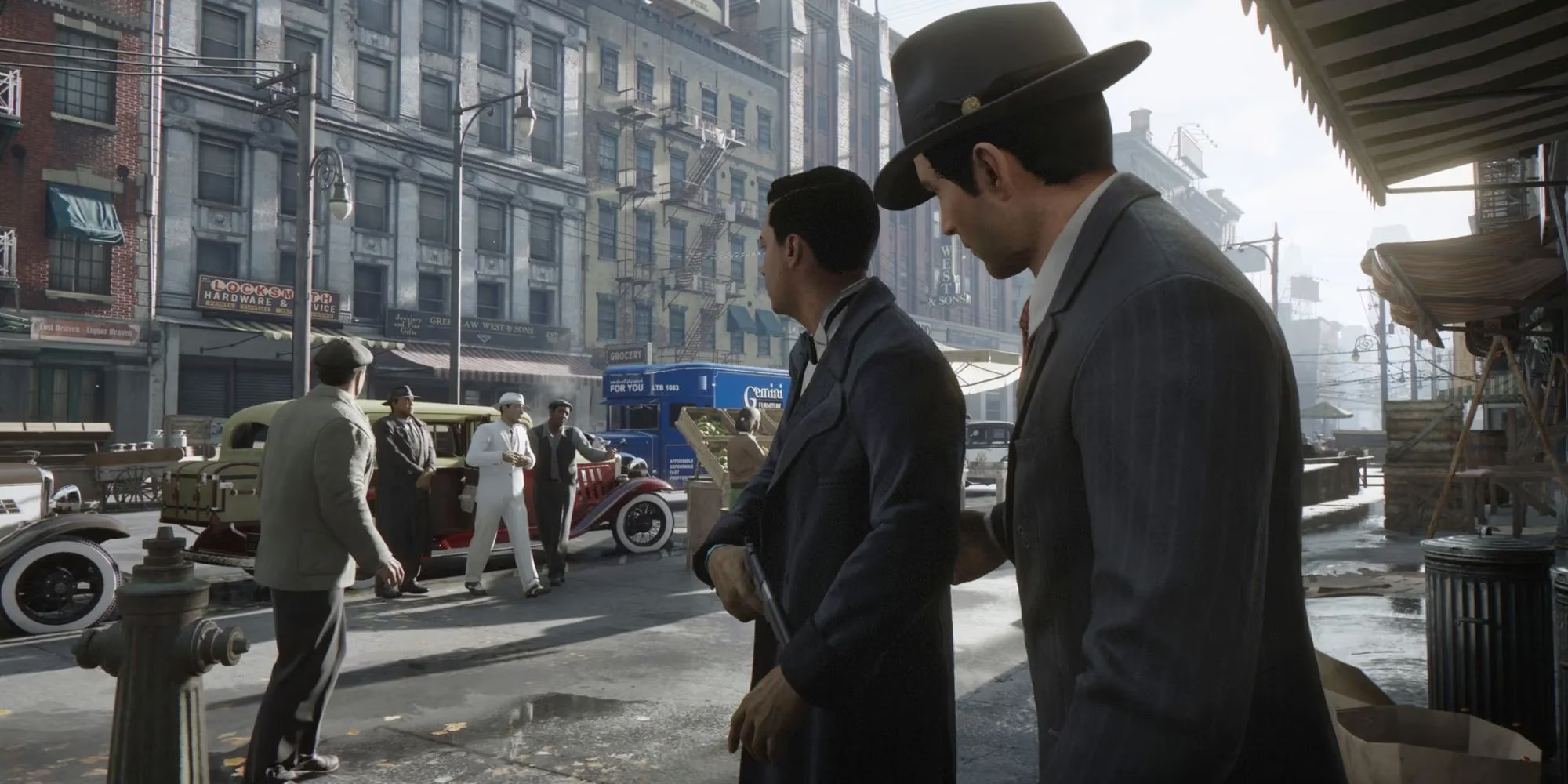
Then there’s the Mafia series, a trilogy that treats America’s ethnic enclaves as more than just backdrops. Starting with the Italian mob in the fictionalized Chicago of the 1930s, it moves to the bayou-soaked New Bordeaux of the 1960s, where organized crime intertwines with the Black experience. These games don’t shy away from the ugliness: the casual racism, the immigrant struggle, the bitter irony of a nation built by outsiders yet hostile to them. In Mafia: Definitive Edition, players sip espresso in Little Italy while learning that opportunity and exploitation often wear the same suit. Mafia III goes further, navigating the Civil Rights era through the eyes of a biracial protagonist. It’s a reminder that cultural exploration isn’t always about picturesque festivals; sometimes it’s about watching a community fight for a seat at the table—while someone’s trying to burn the table down.
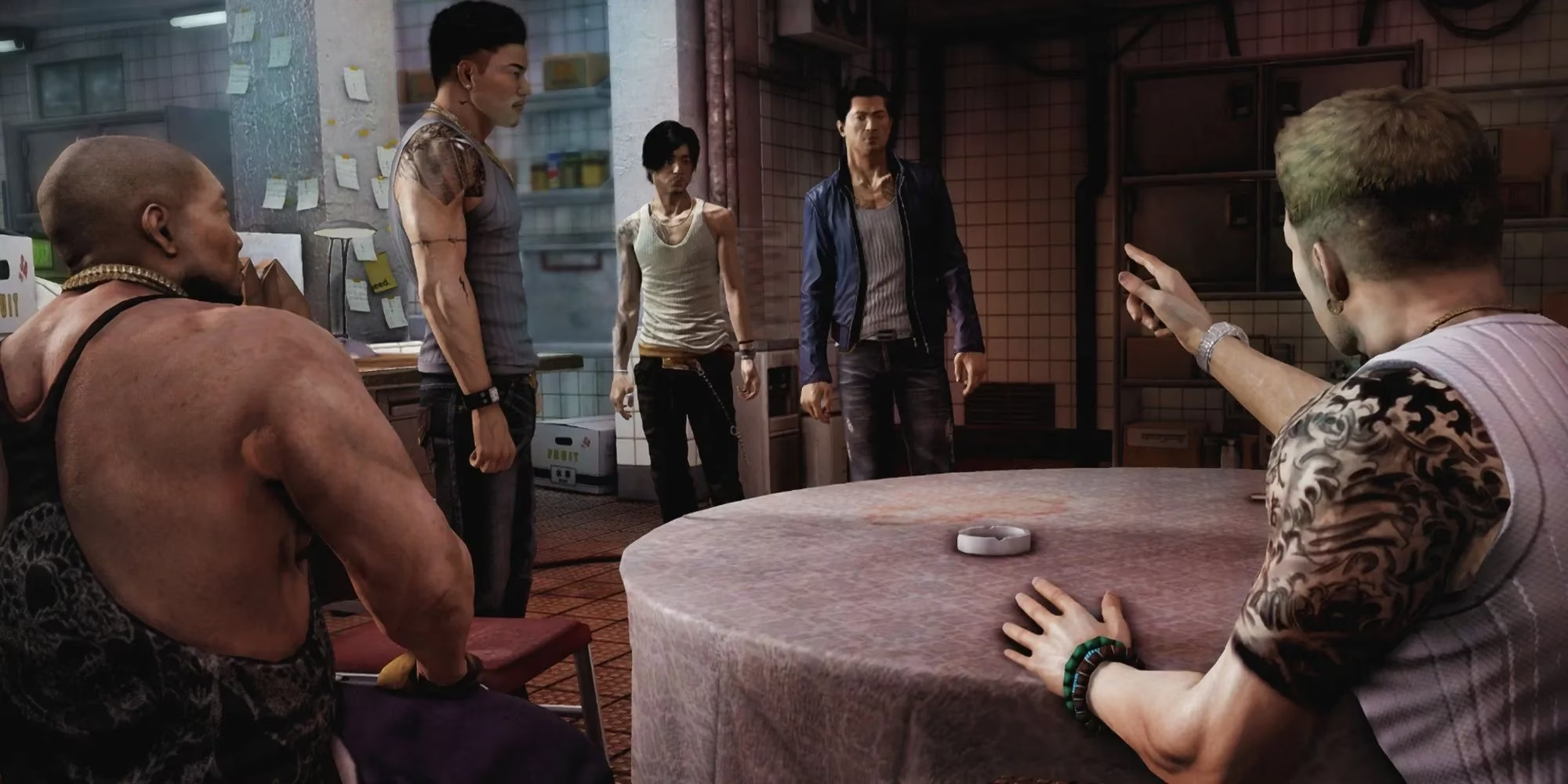
For a change of pace, Sleeping Dogs drops players into the dizzying streets of modern Hong Kong. Most games pretend China’s cultural landscape doesn’t exist beyond martial arts temples and dragon dances; this gem dives into the messy, vibrant heart of a city caught between tradition and futurism. Wei Shen, an undercover cop, navigates a web of triads, night markets, and family loyalty. The game captures the unique blend of British colonial remnants and Cantonese soul—from the street food stalls to the neon-lit gambling dens. It doesn’t lecture; it lets the environment speak. You learn about “face” and family honor not through codex entries, but by living the consequences of losing them. By 2026, fans still beg for a sequel, probably because no other game makes running a pork bun shop feel like a cultural sacrament.
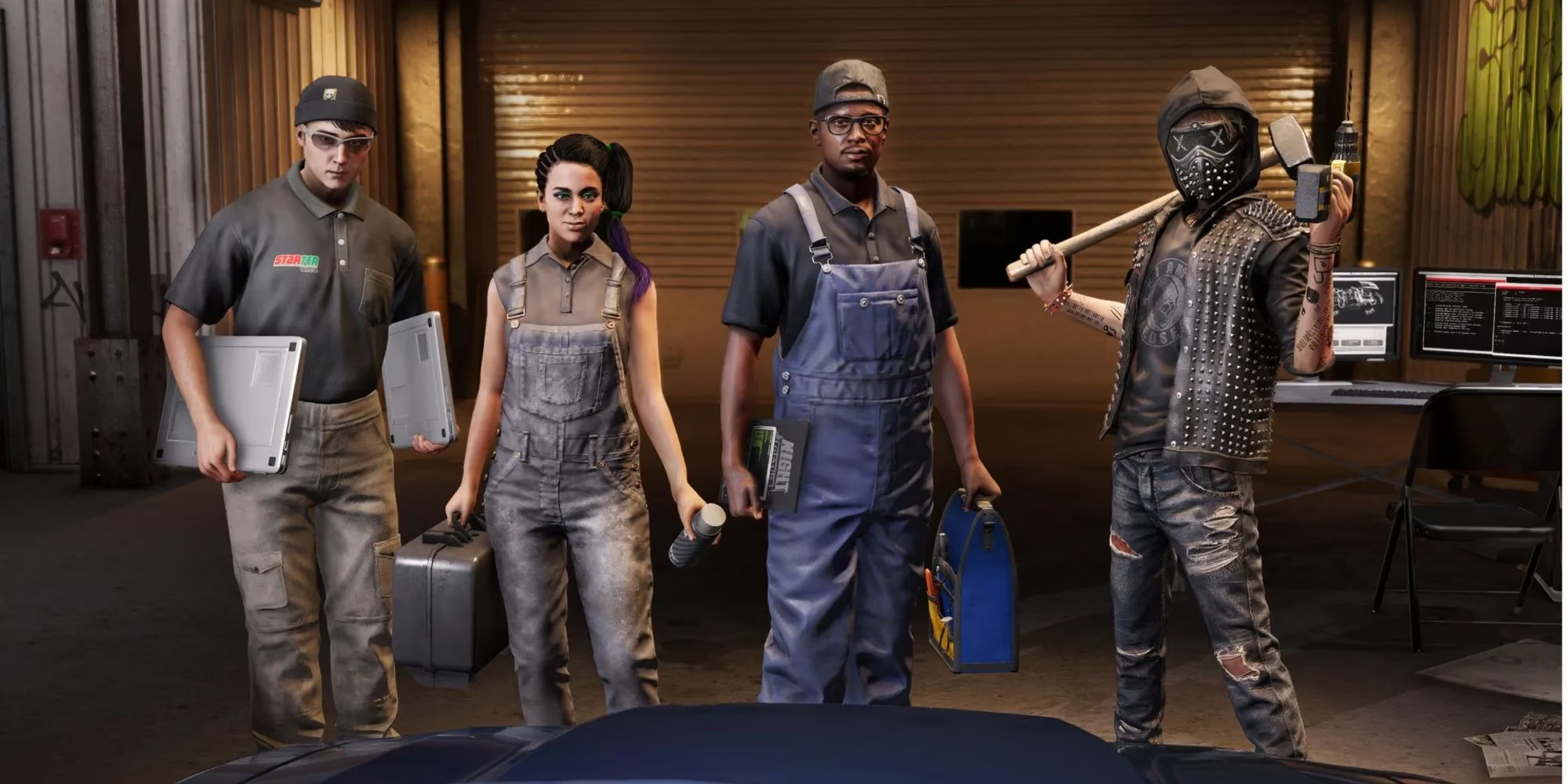
Not to be outdone on the social commentary front, Watch Dogs 2 tackles the cultural kaleidoscope of the San Francisco Bay Area. While the hacking mechanics are the headline, the real magic is how it weaves diversity into its narrative without feeling like a checklist. The DedSec crew—a motley band of races, genders, and backgrounds—embodies the region’s activist spirit. They grapple with police profiling, corporate exploitation of minority neighborhoods, and the digital divide that punishes the already marginalized. Side missions might involve exposing a discriminatory algorithm or helping a Sikh driver combat false profiling. The game manages to be both a tech-thriller and a biting satire of Silicon Valley’s cultural blind spots. It’s proof that a blockbuster can also have something to say, as long as it remembers to let the player blow up a few things along the way.
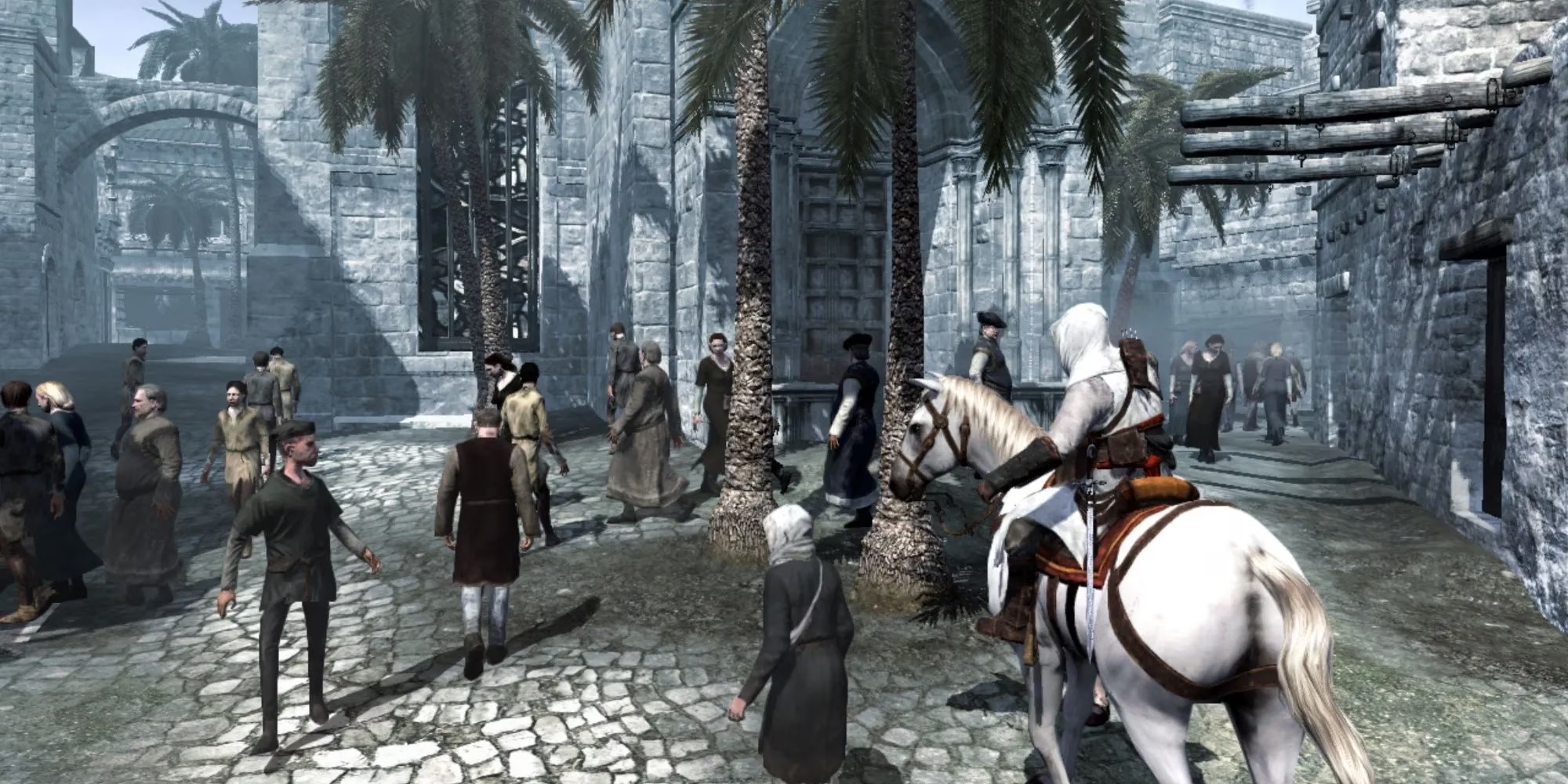
And then there’s the juggernaut that practically needs its own museum wing: the Assassin’s Creed series. By 2026, the franchise has time-hopped across more civilizations than a malfunctioning TARDIS—ancient Greece, Renaissance Italy, Ptolemaic Egypt, ninth-century Baghdad, and even the Viking frontier. Each installment operates like a lavish vacation for history buffs who enjoy casual parkour. An alarming amount of research goes into reconstructing architecture, clothing, and—most importantly—the cultural rituals of each era. In Origins, players witness the blend of Egyptian and Greek influences in Alexandria; in Mirage, the Islamic Golden Age buzzes with scholars and merchants. The series doesn’t just show you a pretty world; it lets you eavesdrop on citizens discussing taxes, religion, and local gossip in period-appropriate dialects. It’s the closest thing to time tourism without worrying about accidentally deleting your own grandfather.
So, the next time someone scoffs that gaming rots brains, remind them that by 2026, a gamer can distinguish a Polish legend from a Japanese haiku, explain the significance of a Triad oath, and navigate a Viking feast without getting axed—all before lunch. These digital worlds are more than escapism; they’re passports to places that textbooks only summarize. And unlike real travel, there are no lost luggage fees. Just the occasional side quest to fetch a frying pan for a granny who may or may not be a mythical deity. That, dear reader, is a bargain any culture vulture would envy.
Insights are sourced from UNESCO Games in Education, underscoring why culturally rich games like Ghost of Tsushima, Assassin’s Creed, and Red Dead Redemption 2 can function as informal “field trips” by situating players inside believable social norms, historical contexts, and everyday practices. Framed through this lens, your examples show how interactive systems—dialogue choices, environmental storytelling, and lived-in city spaces—can reinforce cultural understanding in ways that feel experiential rather than instructional, helping players connect rituals, power structures, and identity tensions to the worlds they explore.
Comments